

Mother & Cubs
Brief
Expedition Summary
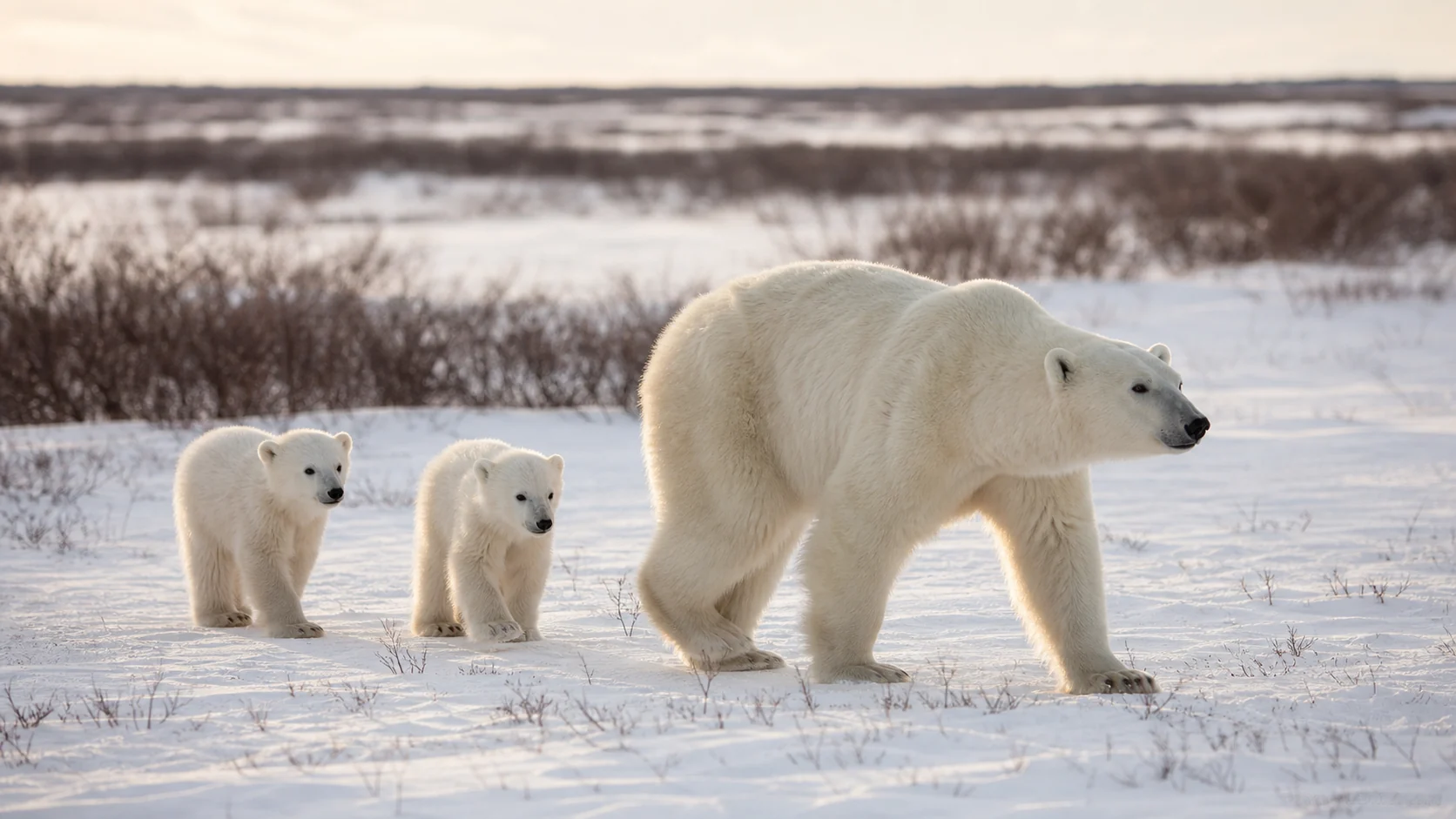
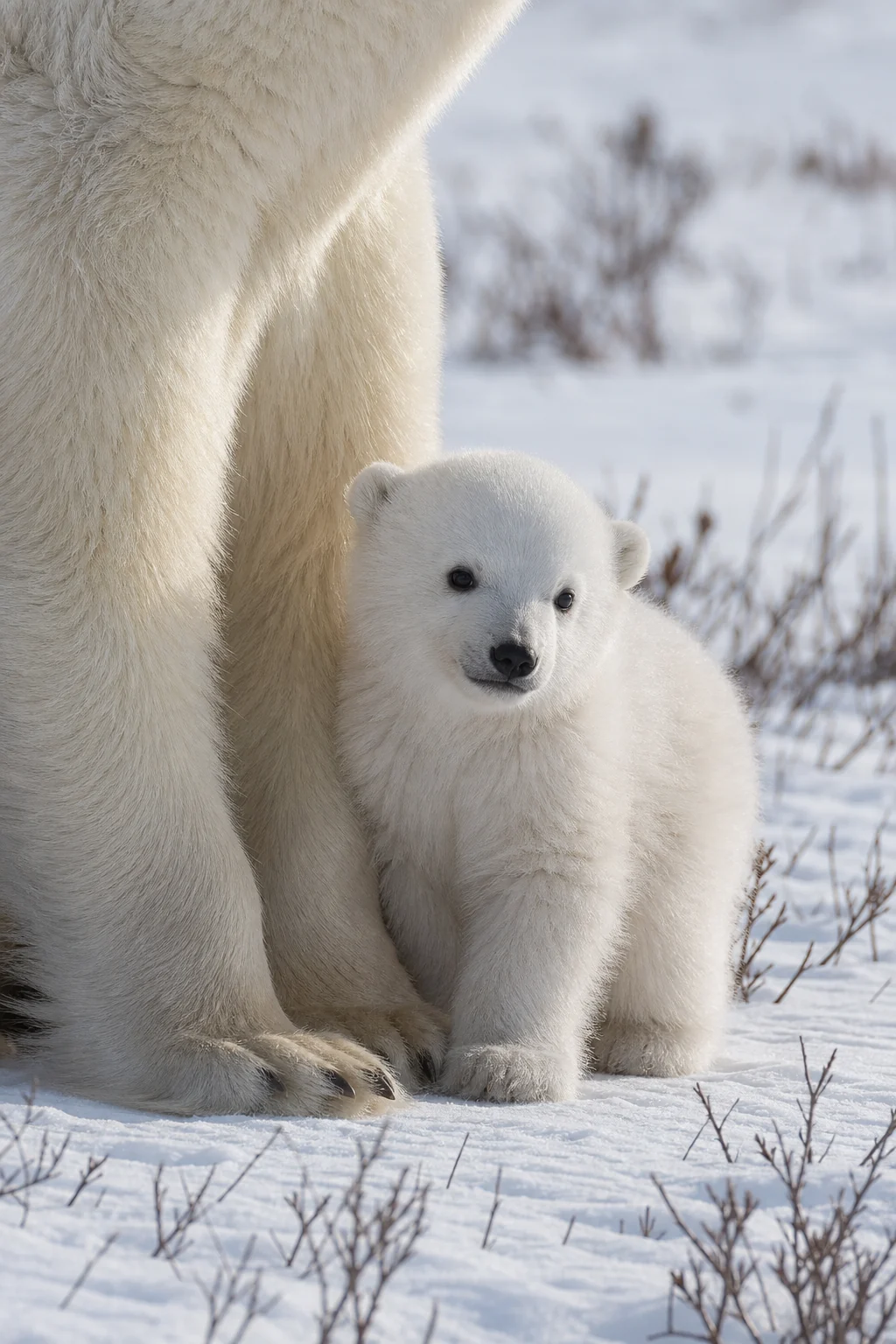
Mother & Cubs is the intimate side of polar bear fieldwork. The subject is not speed or drama, but trust in distance: a mother pausing to test the air, cubs learning to follow, and the fragile first weeks of life outside the den. The landscape is flat, white, and exposed, which makes every movement matter. Done correctly, the photographs feel quiet because the approach is quiet.
Mission Objectives
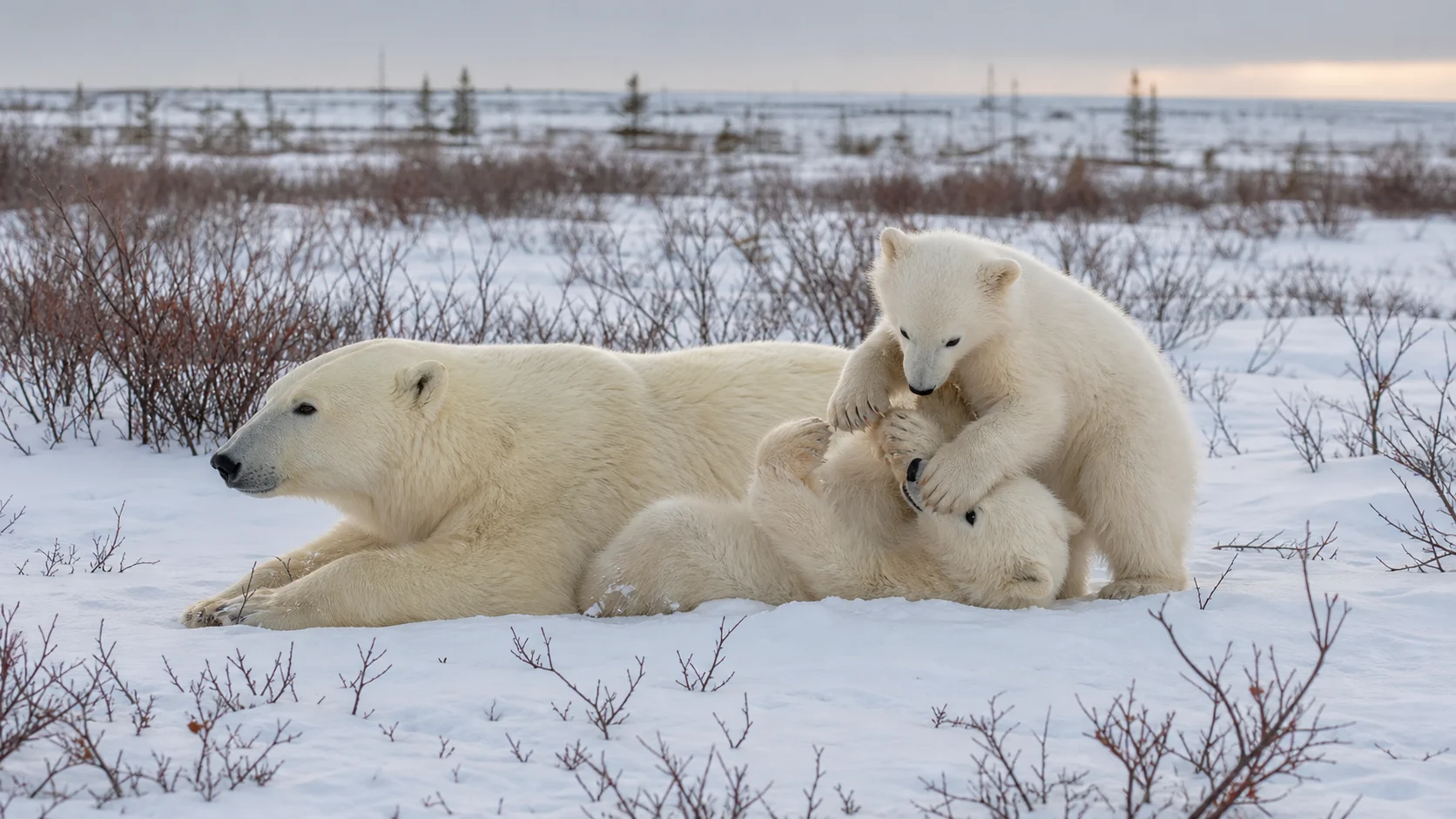
- Document maternal behavior Photograph nursing, resting, scent-checking, and cub movement without disrupting family groups.
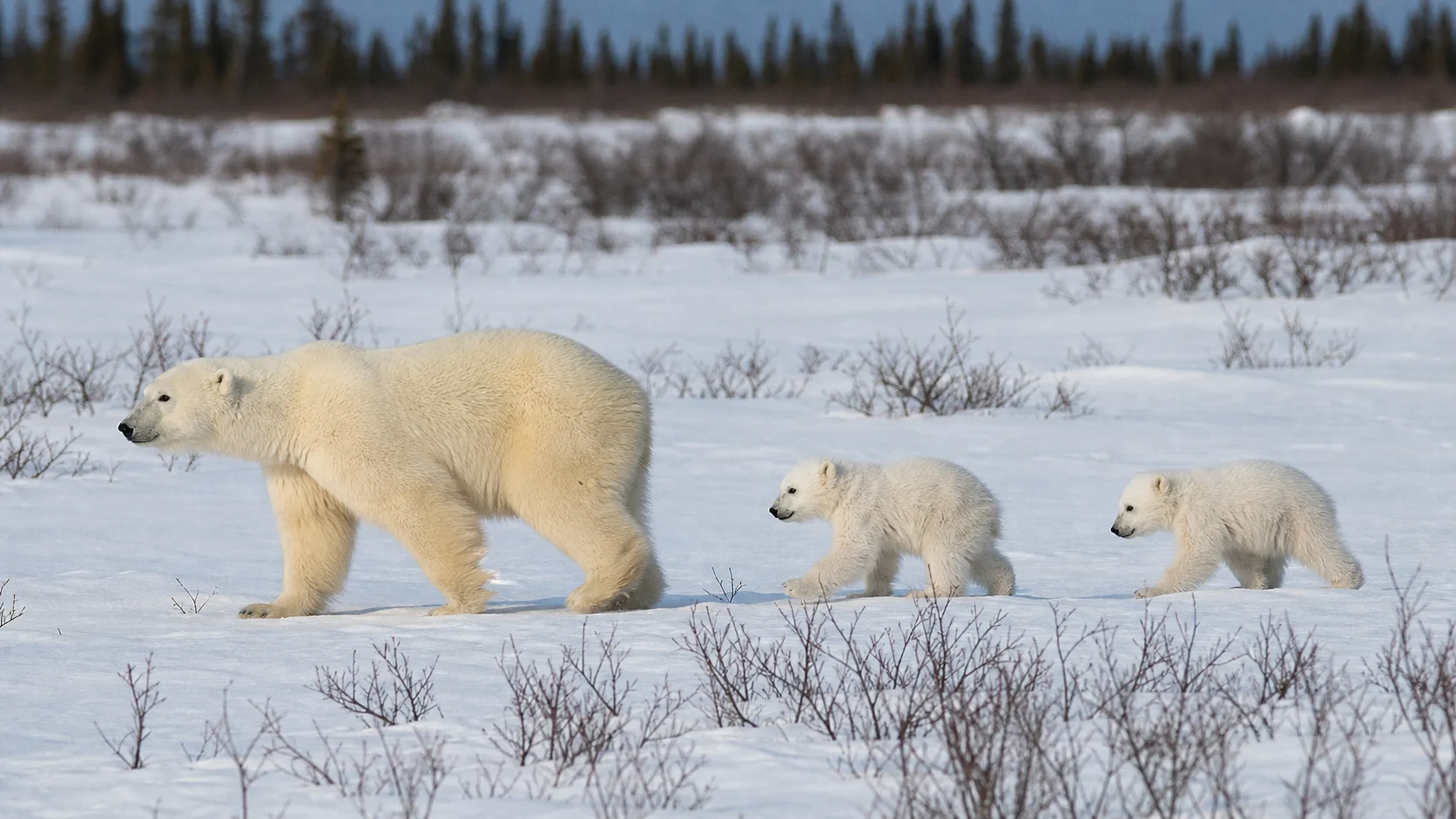
- Track early cub development Record how cubs learn to move across snow, follow their mother, and respond to wind and sound.
- Preserve distance and ethics Build the expedition around slow positioning, long lenses, and strict respect for denning habitat.
Journey Timeline
Challenges & Discoveries
The biggest challenge is restraint. Cubs are small, vulnerable, and easily overworked by cold and distance, so the expedition has to be built around what the bears allow. The discovery is how expressive quiet behavior can be: a cub leaning into its mother’s leg, a nose lifted into the wind, a pause before crossing open snow.
Photographer's Note
With mothers and cubs, a photographer has to earn every frame by knowing when not to make one. The best images come from giving the family room to remain a family.
Gear Used
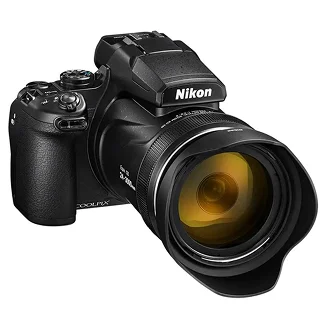
Long, fast telephoto lenses are essential, supported by gloves and systems that can be operated in deep cold. The second body stays ready for wider habitat frames when the family crosses clean snow.
Nikon Z9 + 500mm f/5.6 PF
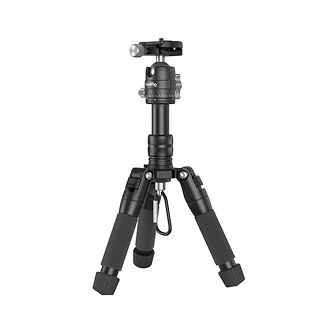
Gitzo Systematic tripod + Wimberley head
Camera Settings Used
Capture the Arctic exactly as it appeared in the field. These are representative settings for fast-moving polar bear behavior in cold, reflective conditions.
Keep Reading
Edge Of The Ice
Navigate the Arctic archipelago aboard expedition vessels, following the pack ice edge where bears hunt ringed seals. The midnight sun
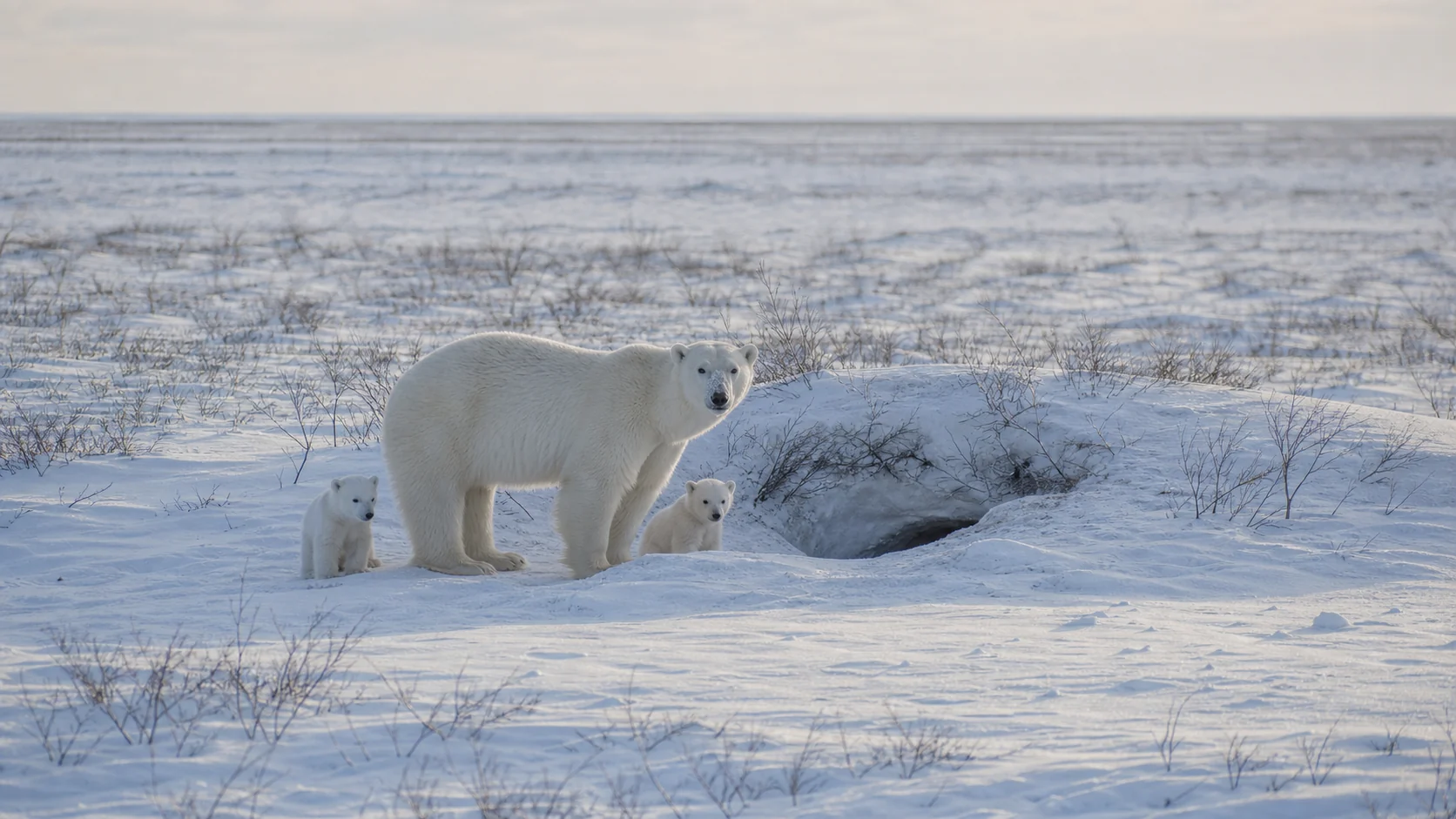
Den Emergence
The rarest polar bear field experience: maternity-den emergence in Wapusk, where access is limited, weather is severe, and every frame
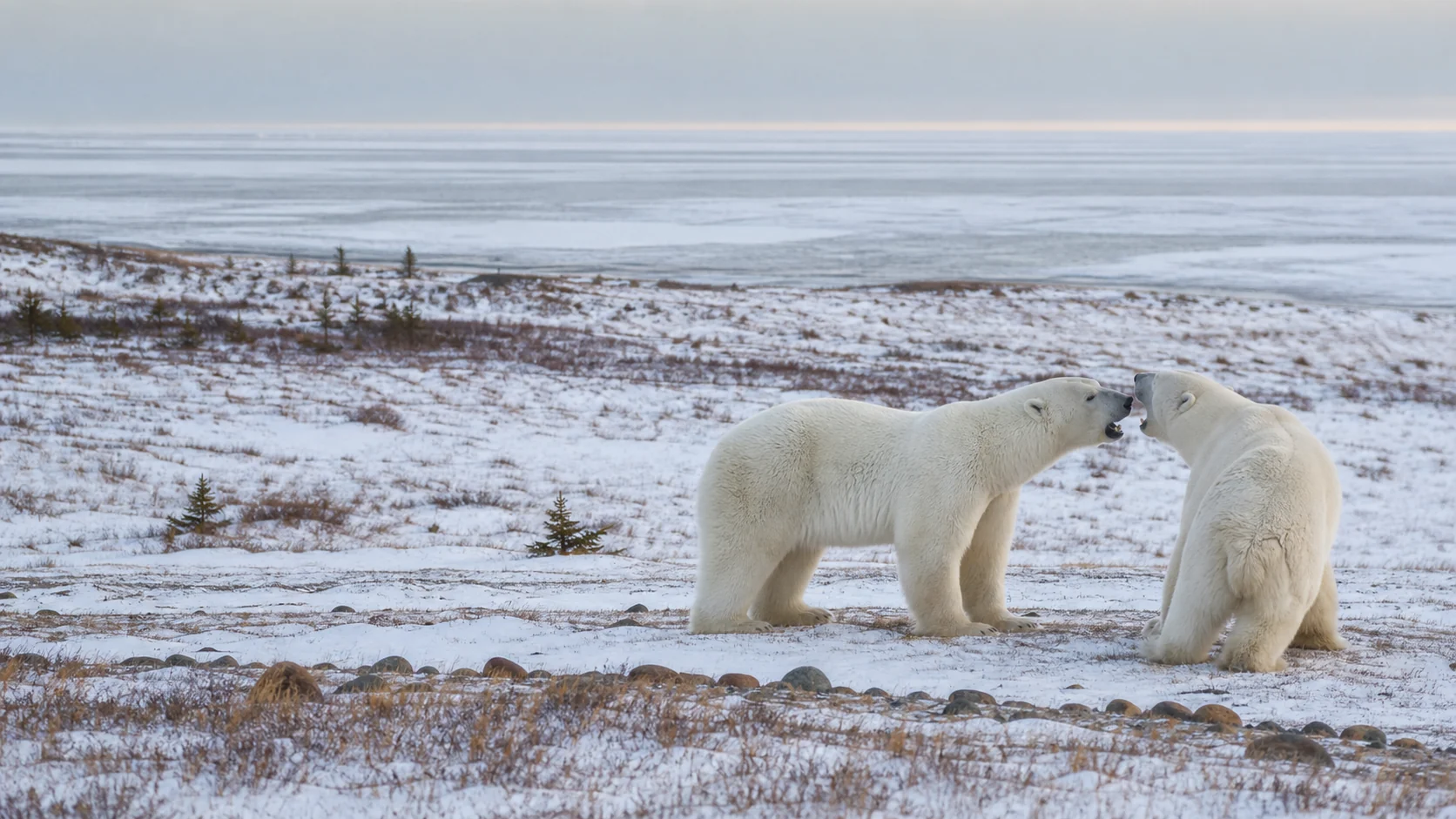
The Great Wait
The most accessible polar bear expedition on Earth: Churchill in the freeze-up season, when bears gather along Hudson Bay and