Expedition Report

The Great Wait

Brief

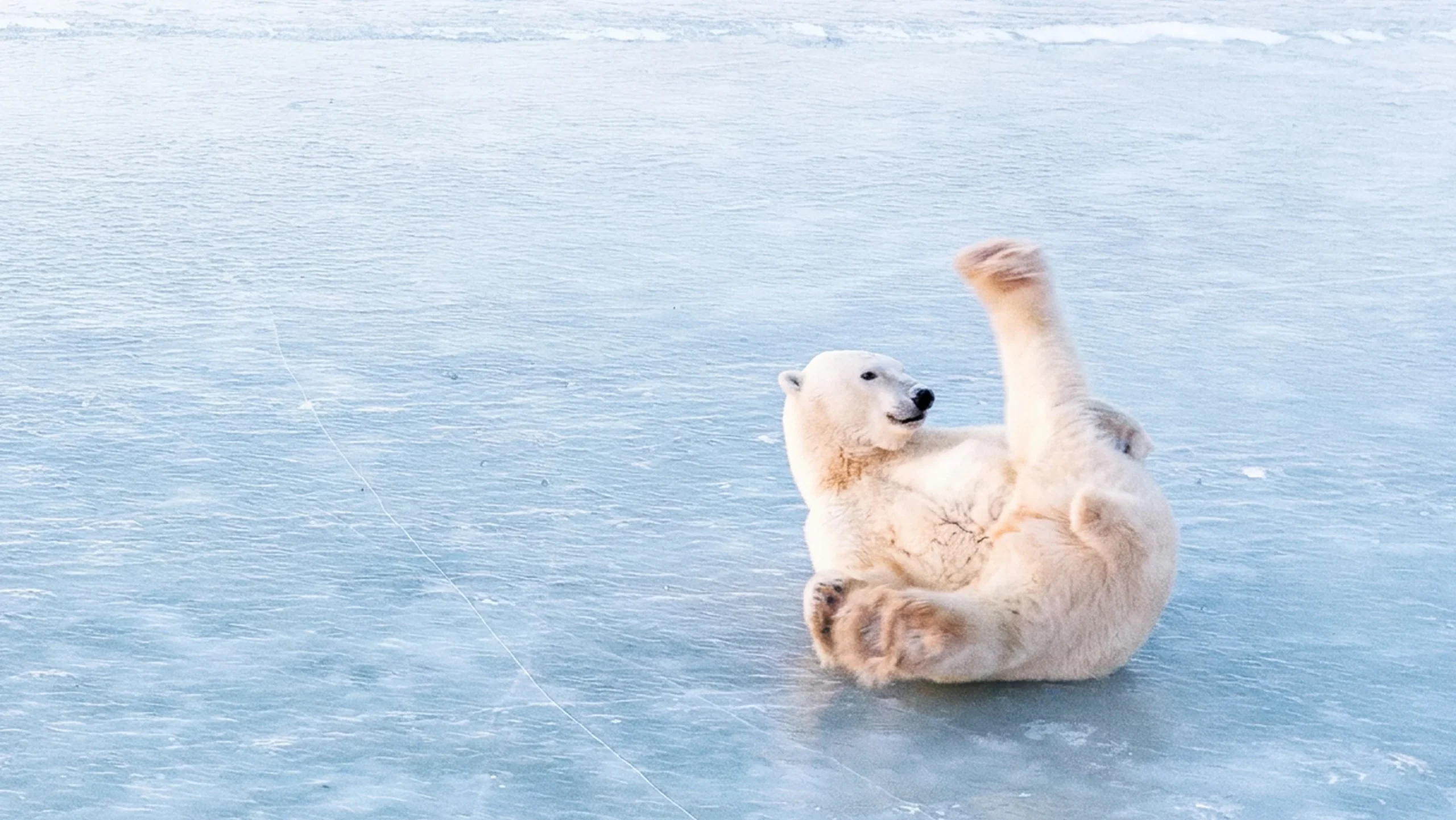
Eight days on the Churchill tundra during freeze-up, photographing adult bears as they gather along the Hudson Bay coast and wait for the first reliable sea ice.
October-November
Expedition Date
Churchill, Manitoba, Canada
Location
58°N
Latitude Reached
Small group
Team
8 days
Duration
Tundra vehicle
Vessel
Coastal tundra zones
Range covered

Expedition Summary

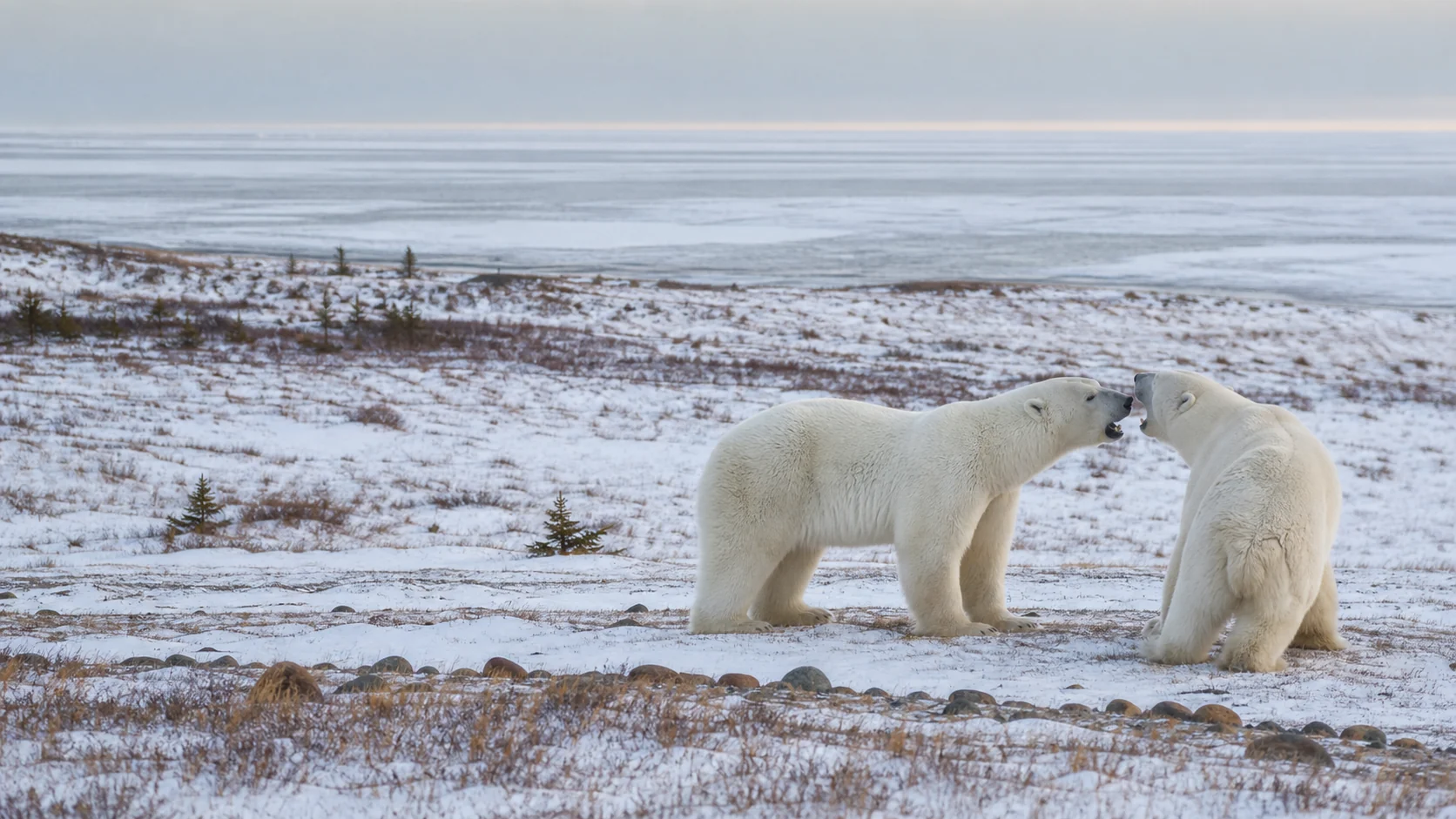
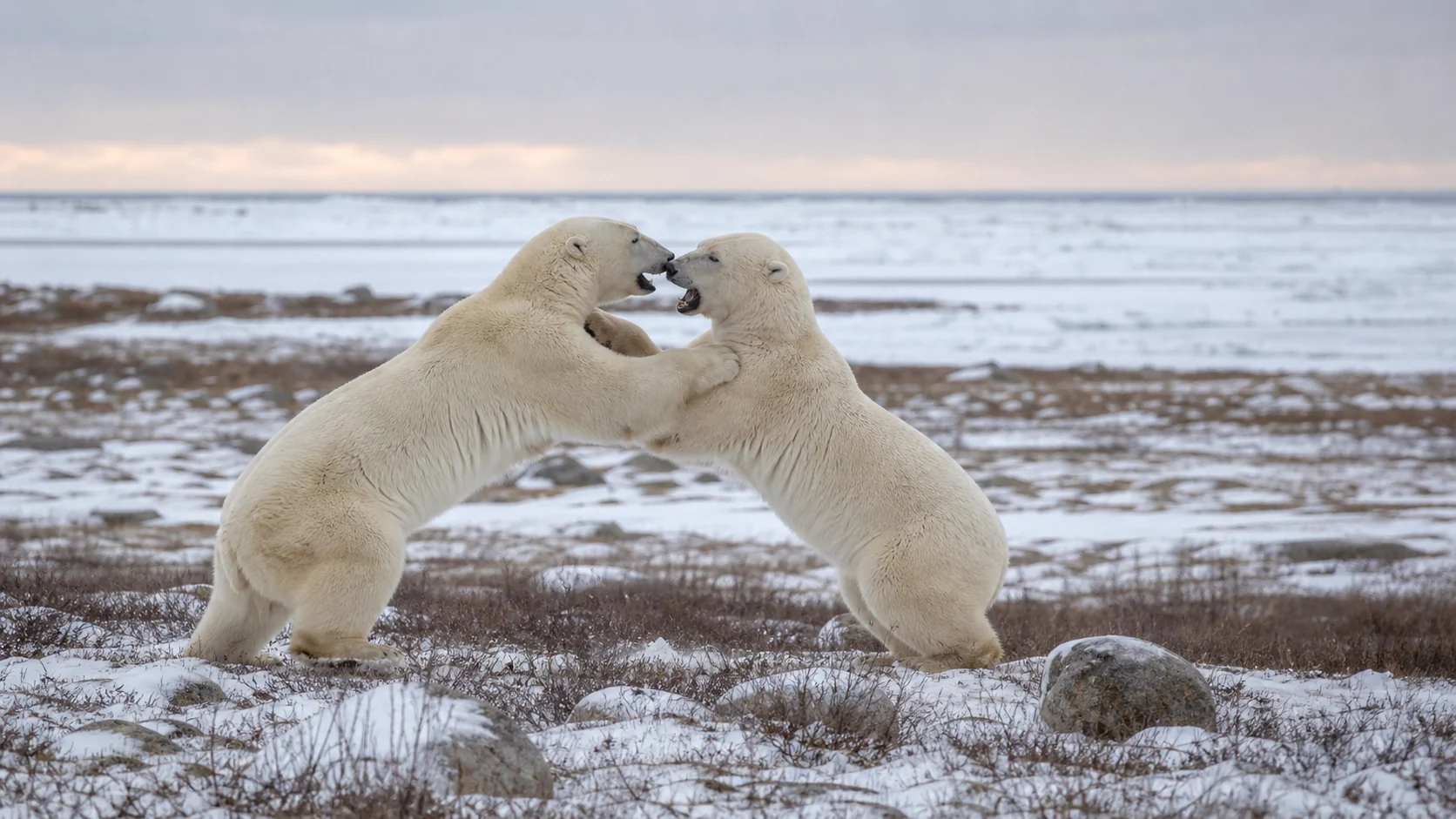
Churchill is where polar bear photography becomes possible without losing the scale of the wild. Each autumn, bears gather along the western shore of Hudson Bay, conserving energy until the ice forms and seal hunting can begin again. The expedition is built around patience: long hours on the tundra, repeated encounters with individual bears, and the chance to photograph sparring males, curious sub-adults, and quiet moments against the first winter light.
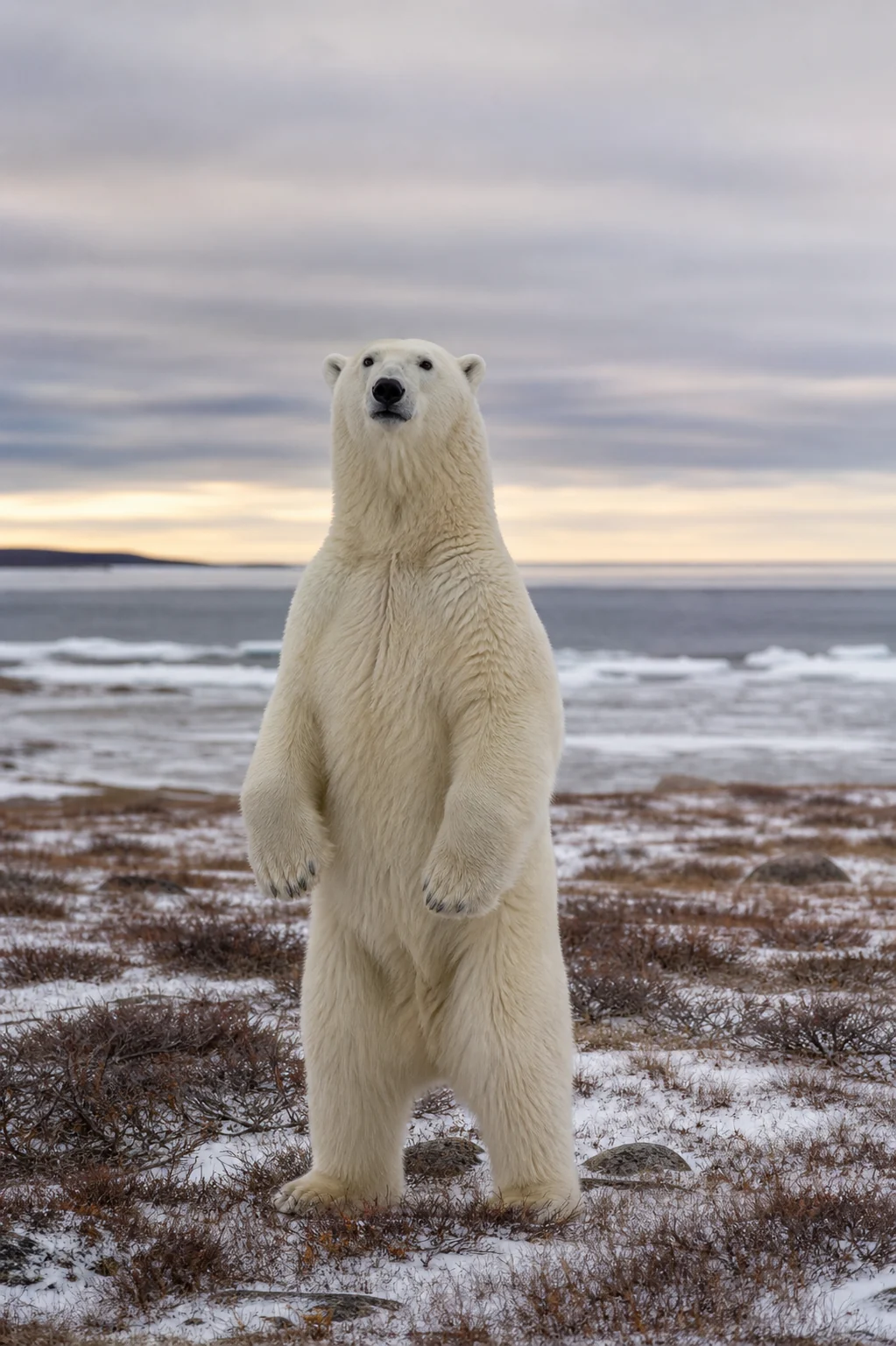
An adult bear rises to read scent and wind along the Hudson Bay coast during the Churchill freeze-up season.

Mission Objectives

  1. Photograph freeze-up behavior Document bears waiting along the coast as Hudson Bay begins to lock in.
  2. Capture adult interactions Focus on sparring, scent-checking, resting, and movement between tundra ridges.
  3. Work with accessible logistics Use tundra vehicle access to photograph safely while maintaining distance from wildlife.

Journey Timeline

The rhythm of Churchill is simple on paper and complicated in the field: wait, watch the weather, follow fresh movement, and be ready when the bear decides the day has started.
Week

Arrival and Tundra Orientation

Arrive in Churchill, settle into the northern light, and make the first scouting runs along the coast. Early sessions focus on reading bear movement and learning how wind direction changes the day.

Week

Freeze-Up Watch

Full days on the tundra as bears move between resting areas and the shoreline. The most productive windows often come in brief weather breaks when low cloud lifts from Hudson Bay.

Week

Sparring and Social Behavior

Adult males begin testing strength in controlled sparring bouts. The goal is to photograph behavior without chasing it: distance, patience, and long glass do the work.

Week

Final Coastal Pass

A last circuit along the coast for environmental frames: bear tracks, new shore ice, and the scale of the waiting landscape before winter takes over.

Week

Arrival and Tundra Orientation

Arrive in Churchill, settle into the northern light, and make the first scouting runs along the coast. Early sessions focus on reading bear movement and learning how wind direction changes the day.

Week

Freeze-Up Watch

Full days on the tundra as bears move between resting areas and the shoreline. The most productive windows often come in brief weather breaks when low cloud lifts from Hudson Bay.

Week

Sparring and Social Behavior

Adult males begin testing strength in controlled sparring bouts. The goal is to photograph behavior without chasing it: distance, patience, and long glass do the work.

Week

Final Coastal Pass

A last circuit along the coast for environmental frames: bear tracks, new shore ice, and the scale of the waiting landscape before winter takes over.

Challenges & Discoveries

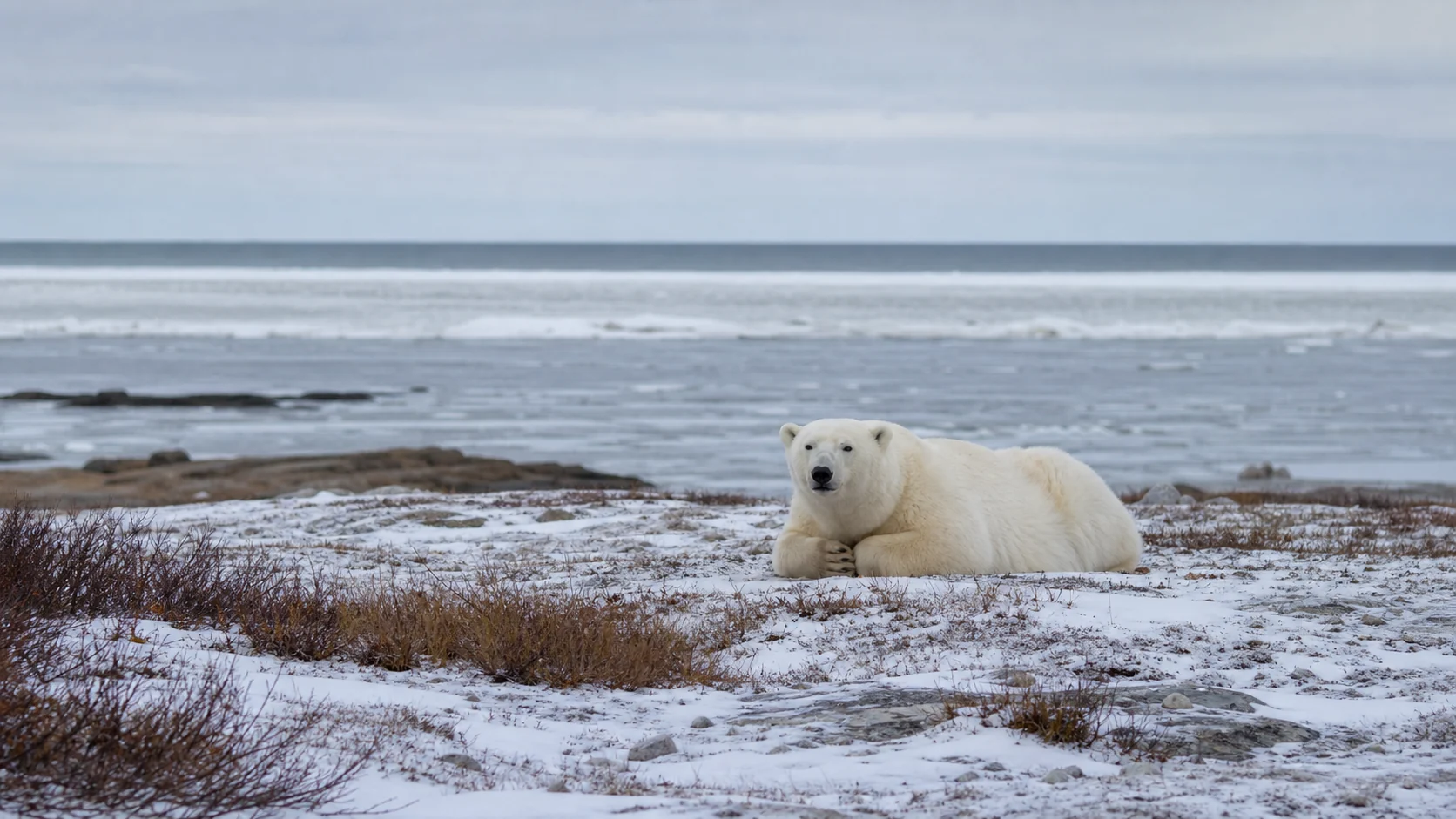
Churchill is accessible, but it is not easy. Cold wind off Hudson Bay can flatten visibility, and the best behavior often happens after hours of nothing. The challenge is to stay ready without forcing the scene. The discovery is how much story exists in the waiting itself: a bear sleeping into the wind, two males rising slowly into a sparring match, or the first grey sheet of ice forming offshore.
Photographer's Note

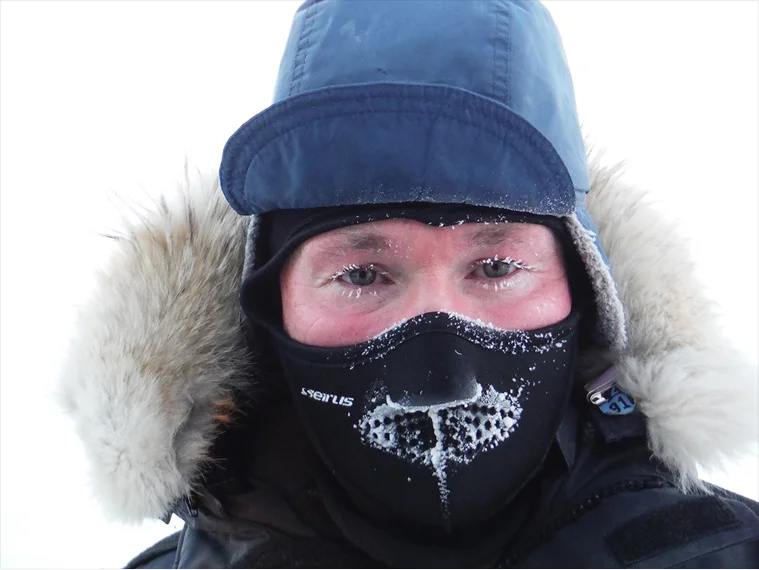
The Great Wait is not about chasing bears. It is about letting the place slow you down enough to see the behavior that everyone else drives past. Churchill gives access, but patience still makes the photograph.
Gear Used

This expedition rewards reach, stability, and warm handling. Long lenses do most of the work, but a second body is essential for environmental frames when a bear crosses open tundra under a big Hudson Bay sky.

Nikon Z9 + 500mm f/5.6 PF
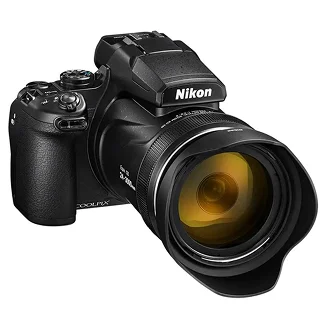
Primary long lens for distance, compression, and ethical working space.

Gitzo Systematic tripod + Wimberley head
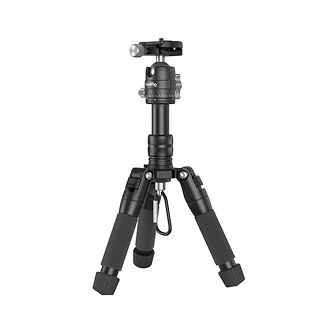
Stable support for long waits, wind, and heavy glass.

Camera Settings Used

Capture the Arctic exactly as it appeared in the field. These are representative settings for fast-moving polar bear behavior in cold, reflective conditions.

1/2000 sec
Shutter Speed
f/5.6
Aperture
ISO 640
ISO
500mm
Focal Length
"Churchill teaches you that waiting is not dead time. It is the fieldwork."
— Tom Kokta
Further Reading

Keep Reading

Svalbard Archipelago, Norway

Edge Of The Ice

Navigate the Arctic archipelago aboard expedition vessels, following the pack ice edge where bears hunt ringed seals. The midnight sun
View Expedition Details
Wapusk National Park, Manitoba

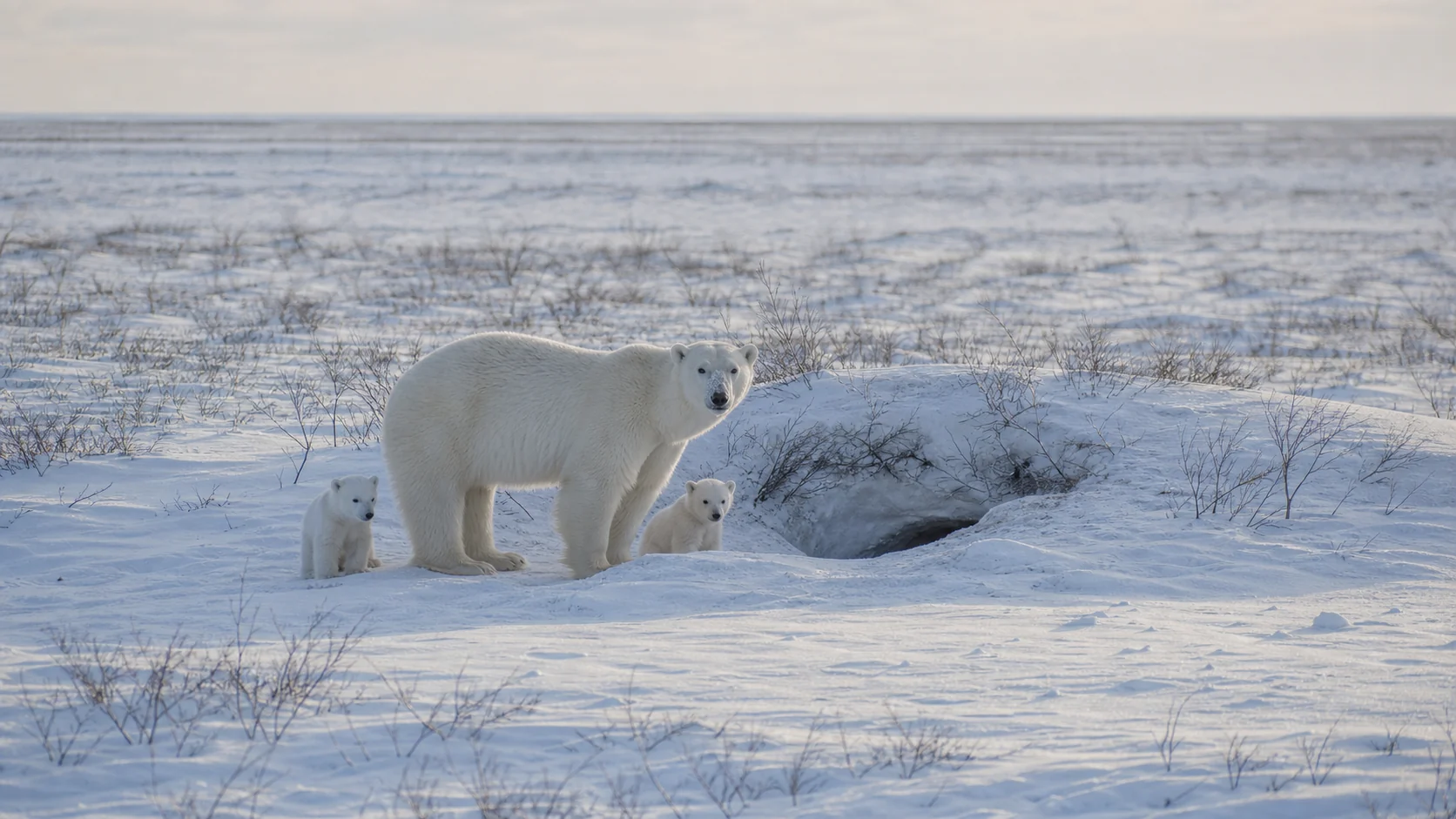
Den Emergence

The rarest polar bear field experience: maternity-den emergence in Wapusk, where access is limited, weather is severe, and every frame
View Expedition Details
Hudson Bay & Wapusk lowlands

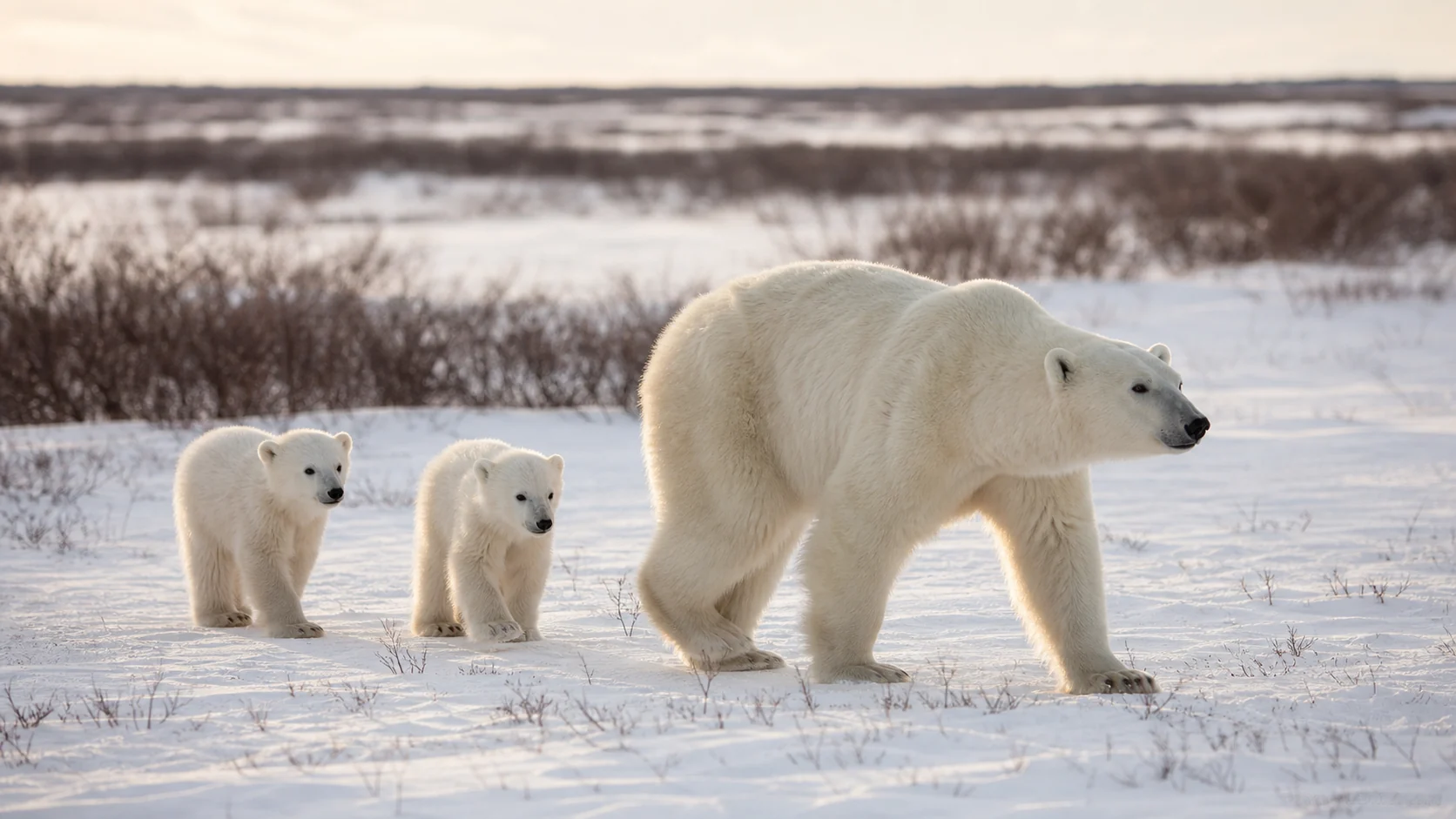
Mother & Cubs

A focused late-winter expedition following polar bear family groups as mothers guide cubs from denning country toward the Hudson Bay

View Expedition Details