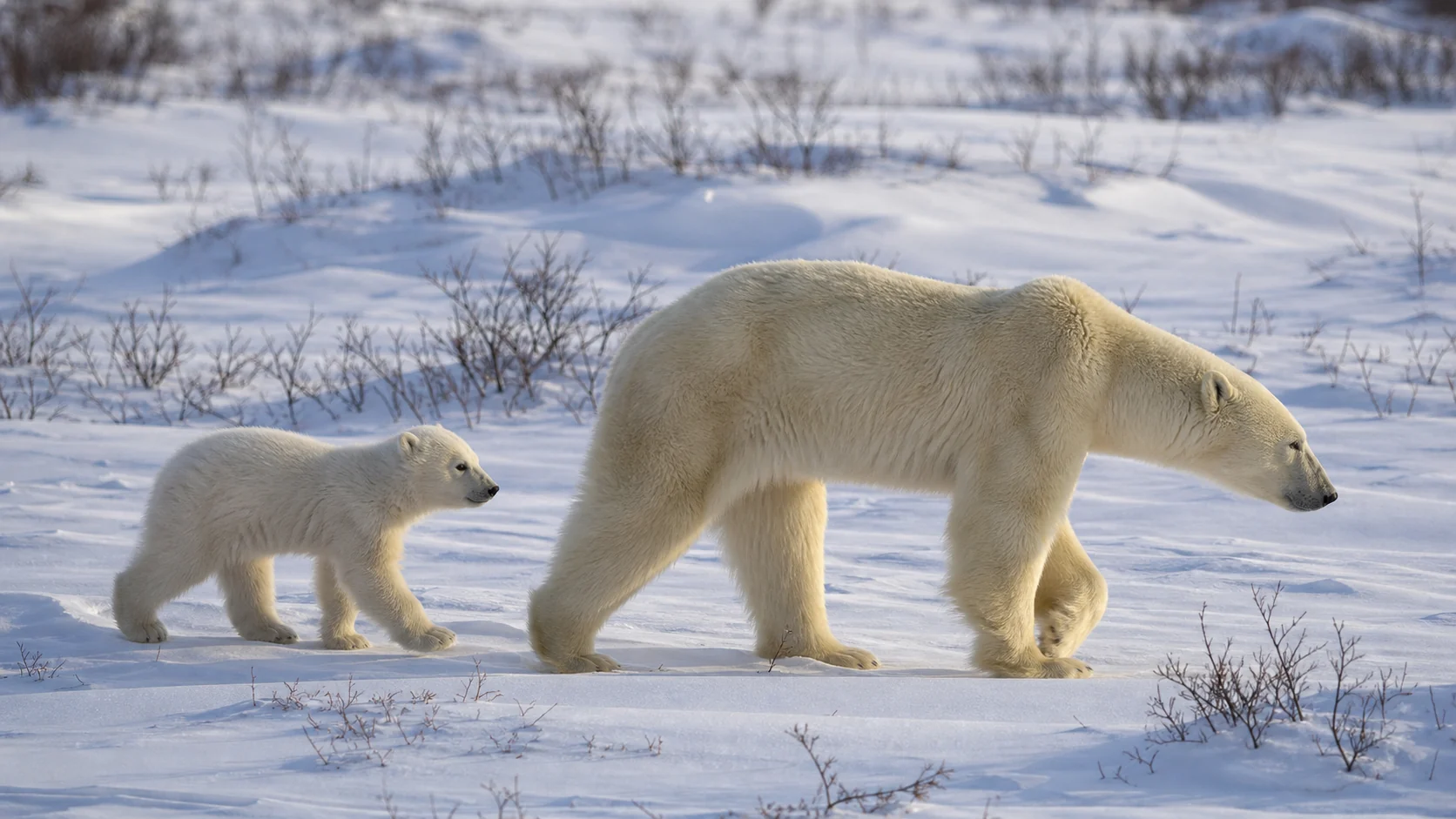
What the Mothers Do Before the World Wakes Up
Brief
Five days at the Wapusk denning grounds, watching the first light of a Churchill winter reveal things most cameras never get close enough to see.

Overview
Wapusk holds the highest density of polar bear maternity dens on Earth, but access is tightly controlled and the timing is unforgiving. Arrive too early and the dens are still sealed. Arrive too late and the families have dispersed onto the sea ice. This set of field notes documents five days spent at two confirmed den sites — observing emergence behavior, cub development, and how a mother bear reads a landscape she’s been away from for five months.
Key Observations
Not every observation makes it into a caption. These are the things that changed how I read the scene — noticed on day one, confirmed by day five.
- The cubs orient to sound before sight
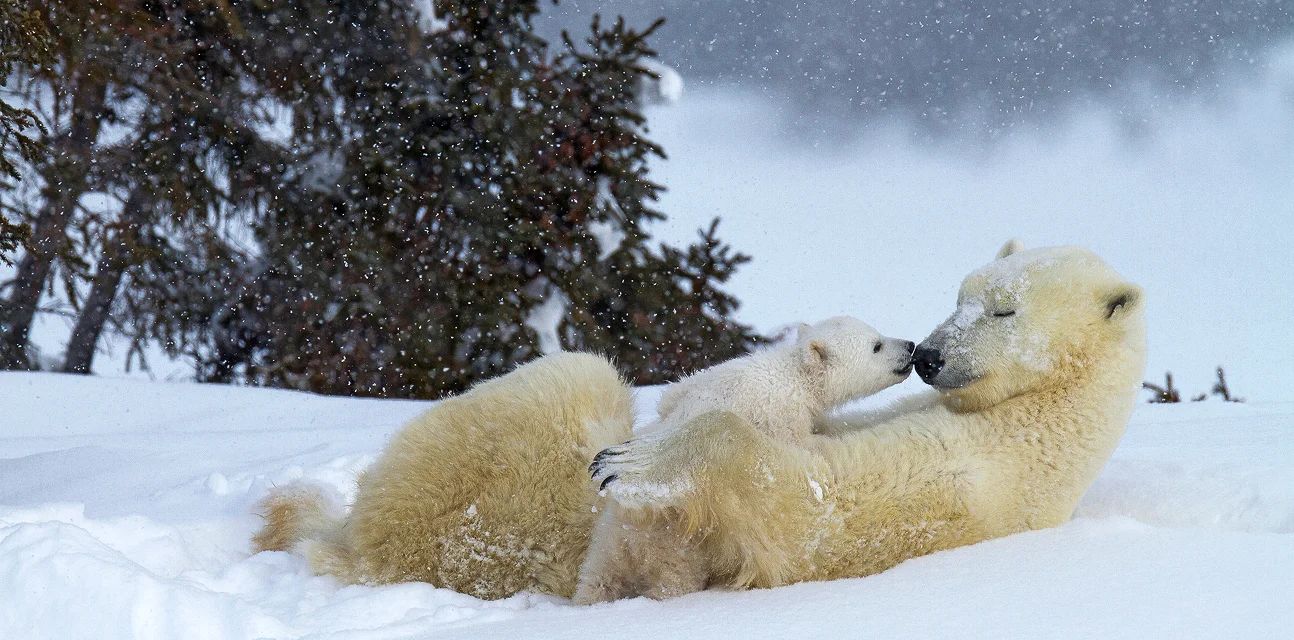
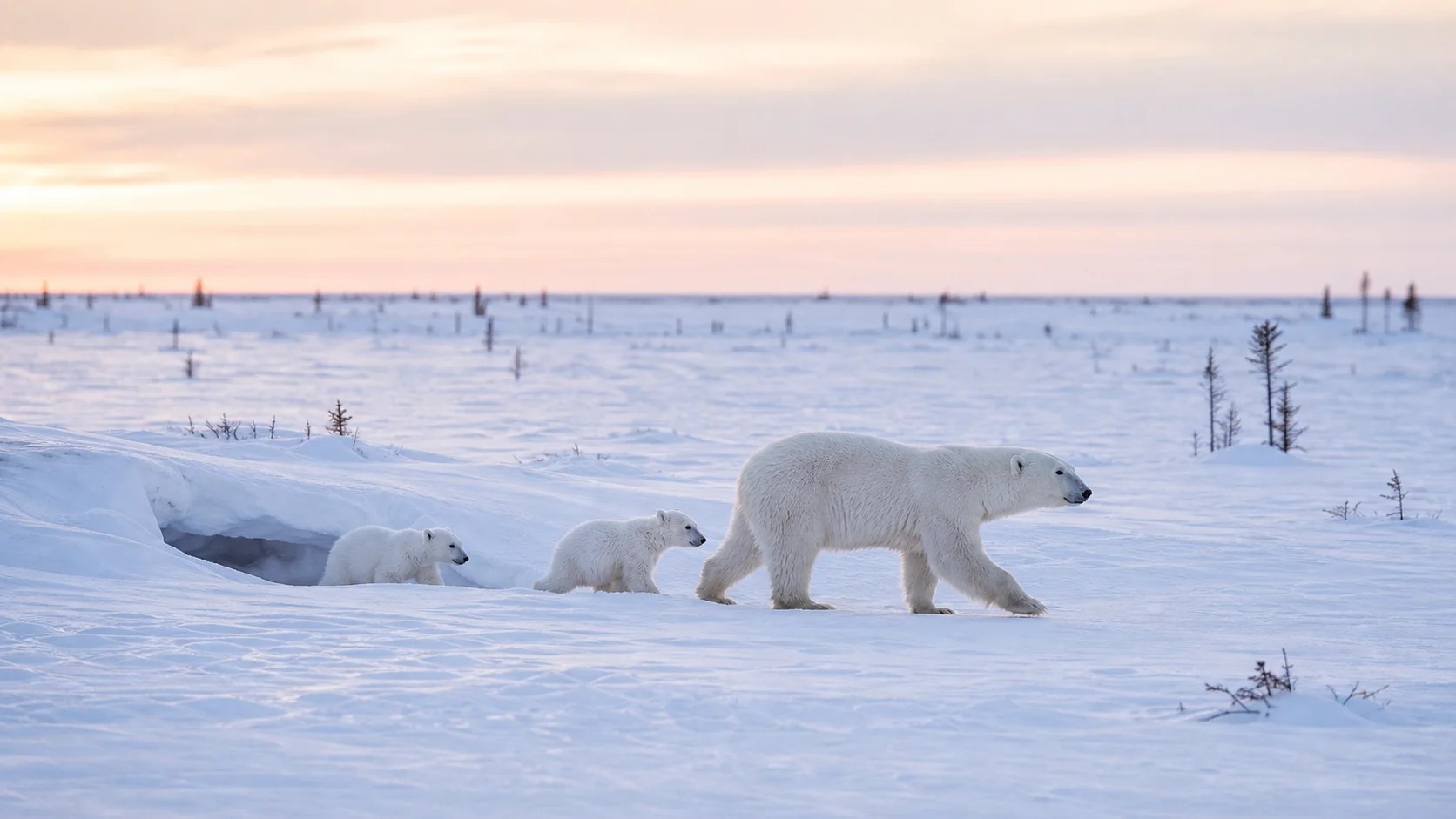
In the first hours above ground, cubs consistently turned toward sound — wind shifts, distant ravens, the shutter of a camera — before tracking visually. The mother seemed to use this: she’d pause, scan, and the cubs would freeze with her. - Emergence always happens on a slope
Every observed emergence used a south-facing snow slope as the exit ramp. The angle allows cubs to tumble back down without injury. The mothers appeared to test the surface before fully exiting — pressing weight incrementally. - Light at Wapusk is four minutes of everything
At 58°N in February, the low-angle window where light is warm, directional, and separated from the white ground lasts roughly four minutes after sunrise. Everything worth shooting happened then or in the equivalent window at dusk.
Visual Documentation
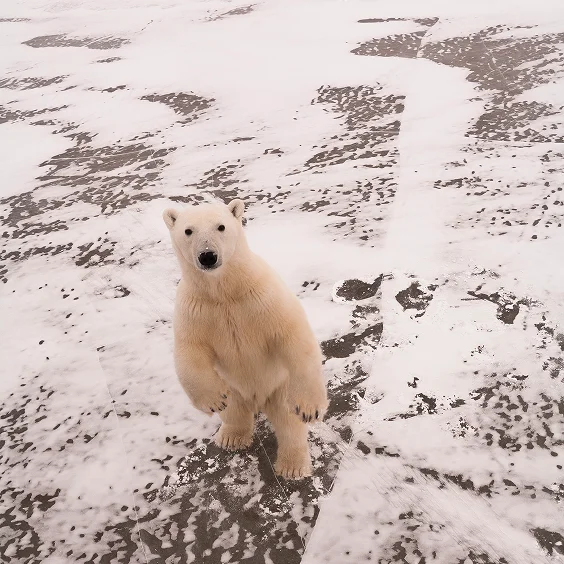
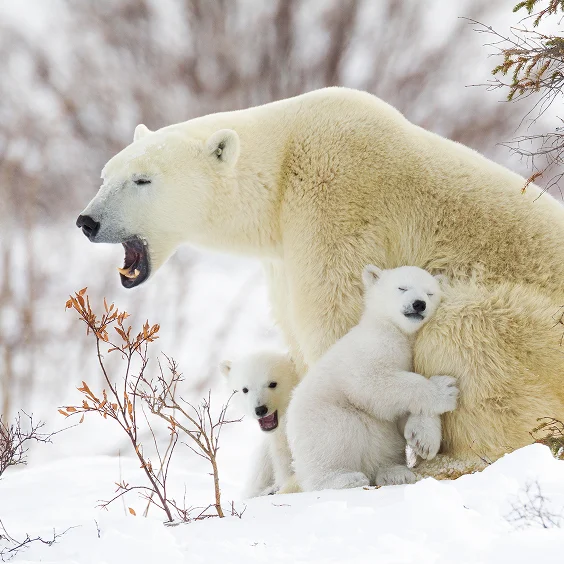
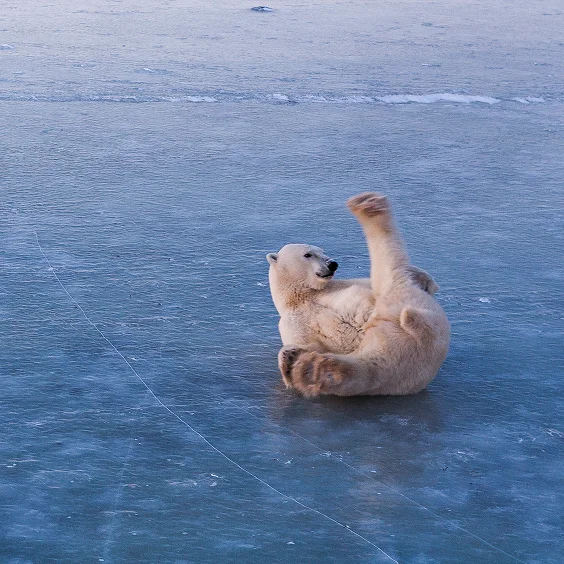
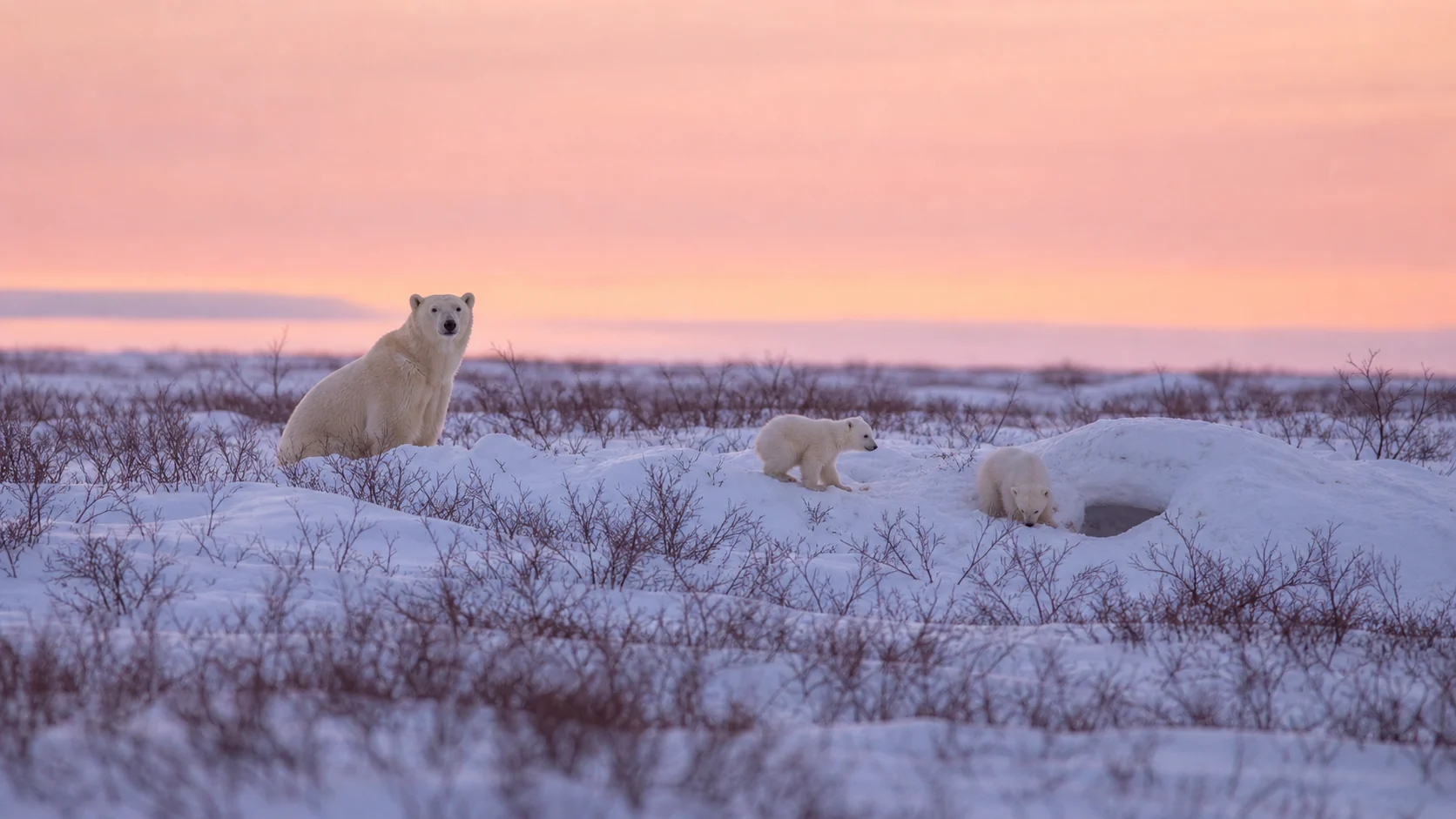
Every frame below was shot within 200 meters of the den site. No bait, no calls, no approach. The distance is part of the record.
Gear Used
Cold changes every decision you make about gear. What works at −10°C fails at −35°C, and Wapusk in February doesn’t negotiate. This is what made it to the field — and what earned its place there.
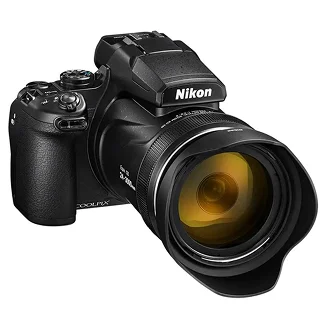
Nikon Z9 + 500mm f/5.6 PF
Primary — long reach without disturbing behavior
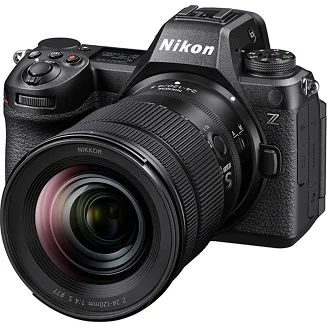
Nikon Z8 + 70–200mm f/2.8
Nikon Z8 + 70–200mm f/2.8Second body for contextual wide shots
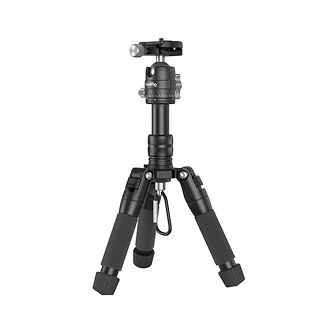
Gitzo Systematic tripod + Wimberley head
Primary — long reach without disturbing behavior
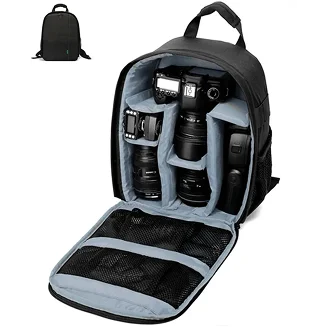
Lowepro ProTrekker BP 450 AW II
Full kit carry in −35°C
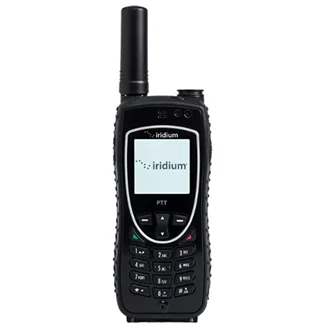
Iridium 9575 Extreme satellite phone
Required by Parks Canada for remote access
Camera Settings Used
Capture the Arctic exactly as it appeared in the field. These are the camera settings used for the featured polar bear image during our expedition in the High Arctic.
Keep Reading
The Quiet Exit from the Den
Den Country Ethics