

Edge Of The Ice
Brief

Expedition Summary
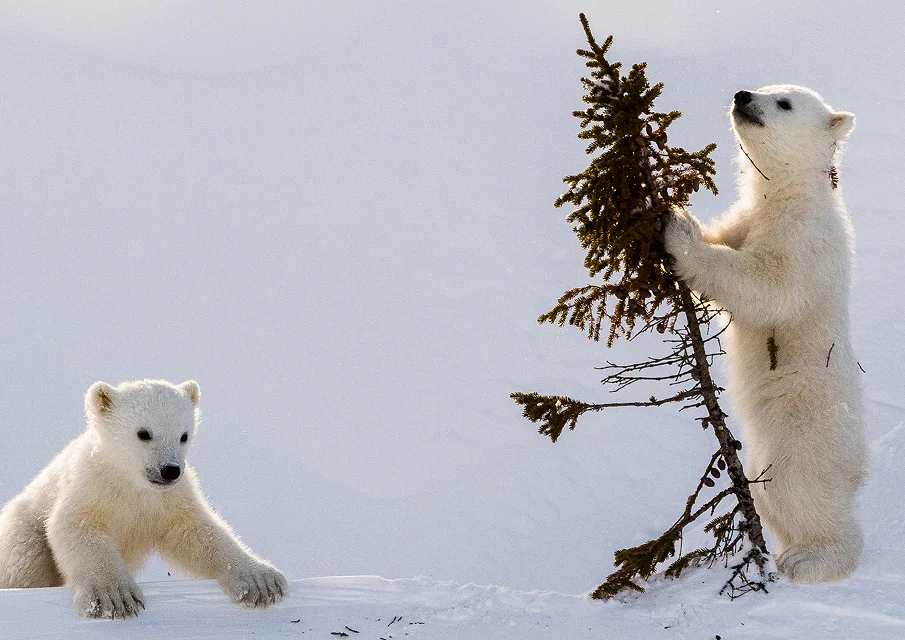
The marginal ice zone north of Svalbard is where the story happens every summer — where bears hunt, seals surface, and the boundary between frozen and open ocean shifts day by day. This expedition documented polar bear hunting behavior at the ice edge during peak sea ice retreat, focusing on the behavioral adaptations bears are developing as summer ice coverage continues to decline decade over decade. Twenty-six days. One vessel. Ice conditions that changed every 48 hours.
Mission Objectives
- Document ice-edge hunting behavior
Capture bears actively hunting ringed seals at the marginal ice zone, with behavioral context not achievable from shore. - Record body condition indicators
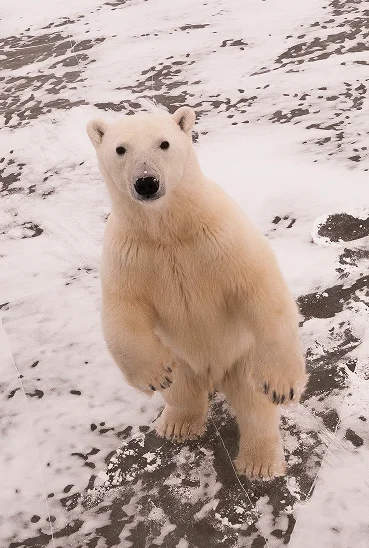
Systematic photography of individual bears for condition scoring — fat reserves, coat quality, movement efficiency. - Map aggregation zones
Identify where bears were concentrating relative to ice edge position, sea surface temperature, and seal distribution.
Journey Timeline
Challenges & Discoveries
No expedition goes to plan. The plan is just a way of making sure you have the right gear in the wrong place at the right time. What actually happens is something you write about afterward, once you’ve figured out which parts were problems and which parts were the expedition.
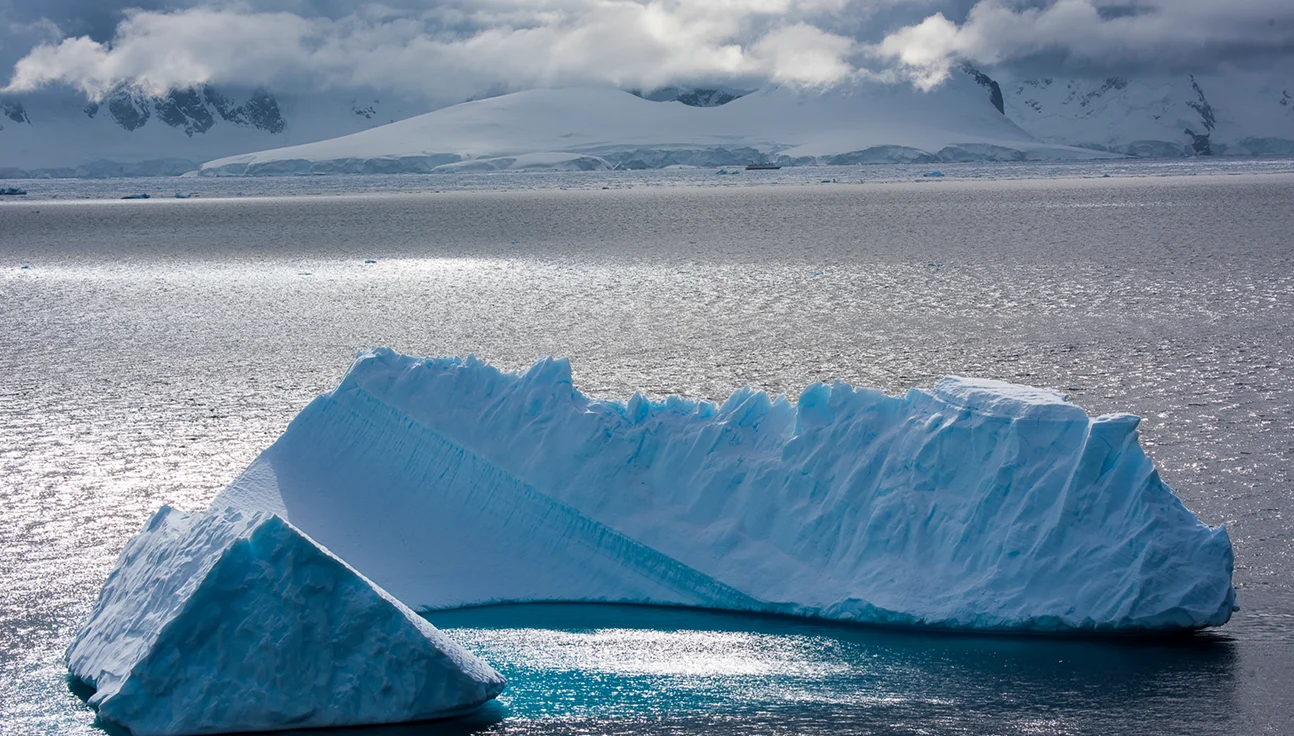
Svalbard in summer gives you long light and short windows. The ice edge is a moving target — literally. Every morning the picture changes and you either adapt the day or lose it. These are the two challenges that defined the trip, and the three things we found that we weren’t entirely looking for.
- Challenge — Ice edge position changed faster than anticipated
The concentration zone shifted up to 40 nautical miles overnight on three occasions. Route planning had to be rebuilt daily around satellite ice data rather than the planned survey grid. - Challenge — Shooting from a moving vessel
Even with gyrostabilized support, a vessel at sea introduces constant micro-movement. 500mm at 1/2000s became the baseline shutter floor — anything slower showed motion in full-resolution review.
Photographer's Note
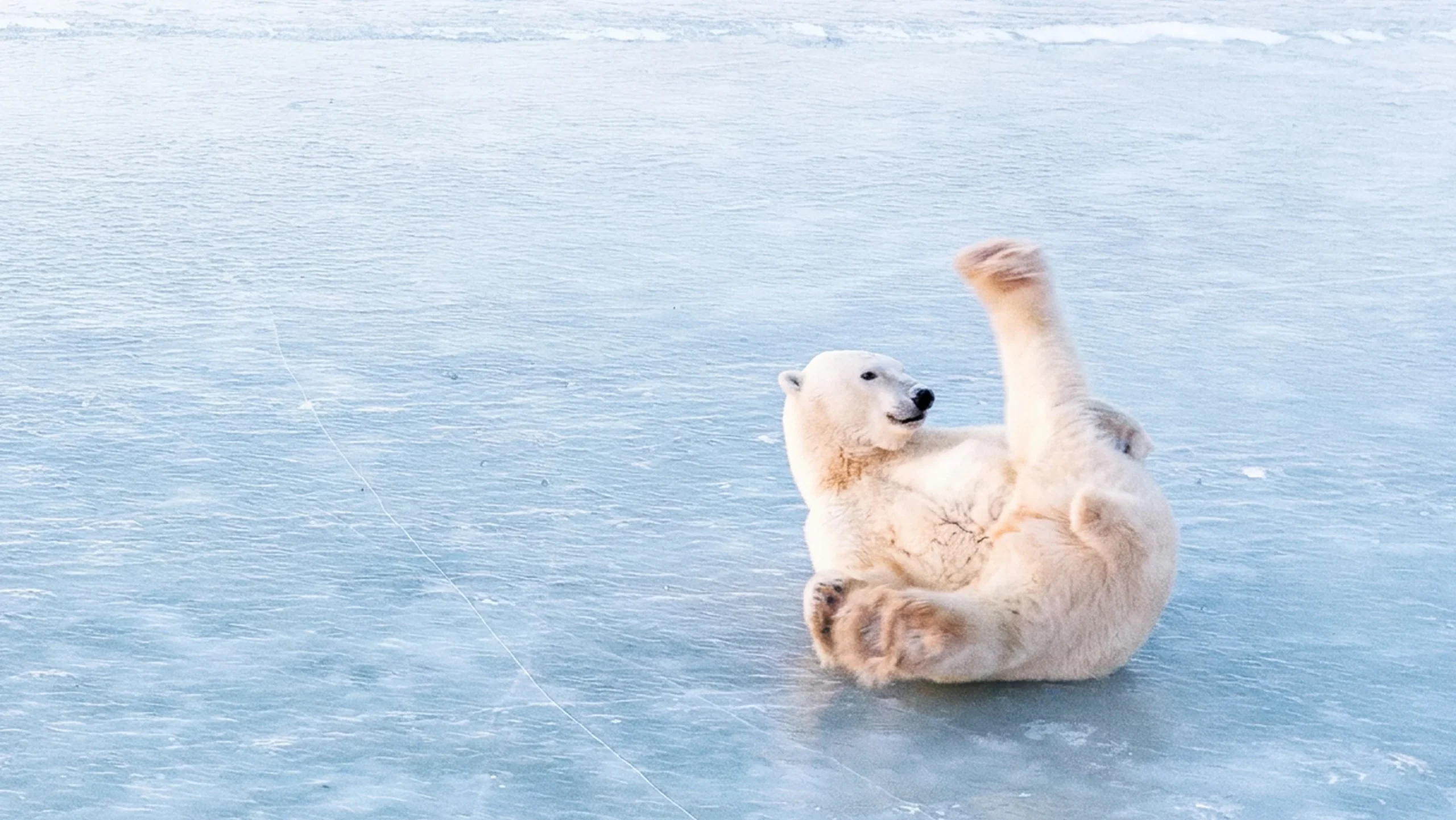
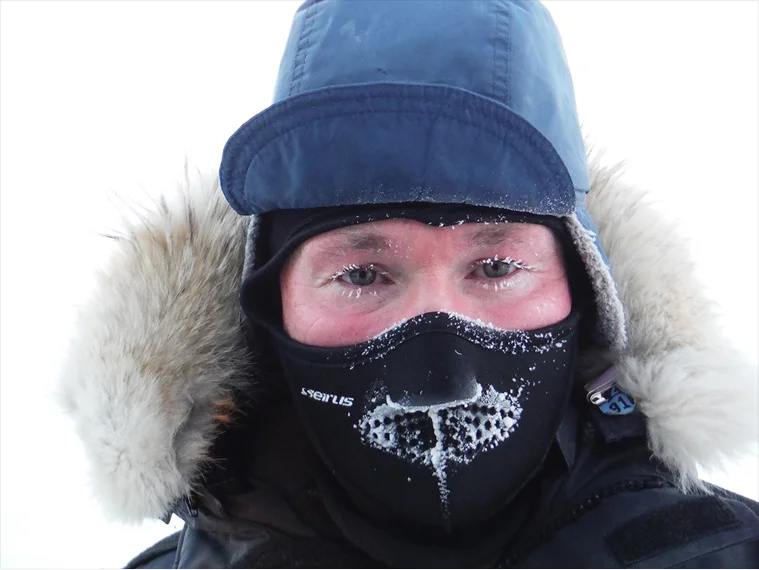
Twenty-six days is long enough to stop thinking about photography and start thinking about the place. That’s when the real images happen — not when you’re hunting light, but when you’ve stopped hunting anything and the bear just exists in front of you and you happen to have a camera.
The ice edge is shrinking. Every expedition I’ve done in the last four years has shown me that in concrete, measurable ways — not as a projection but as a present-tense fact. I don’t know what the right response to that is. I keep going back and making the record as complete as I can.
Gear Used
Cold changes every decision you make about gear. What works at −10°C fails at −35°C, and Wapusk in February doesn’t negotiate. This is what made it to the field — and what earned its place there.
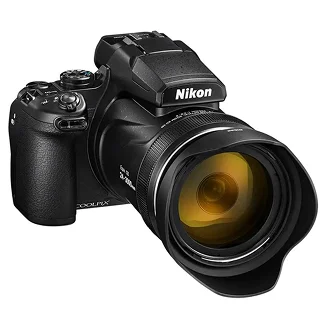
Nikon Z9 + 500mm f/5.6 PF
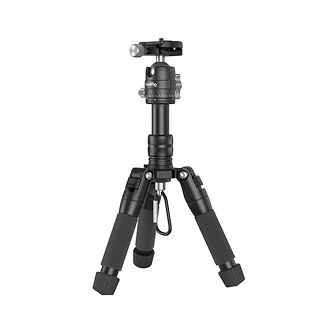
Gitzo Systematic tripod + Wimberley head
Camera Settings Used
Capture the Arctic exactly as it appeared in the field. These are the camera settings used for the featured polar bear image during our expedition in the High Arctic.
Keep Reading
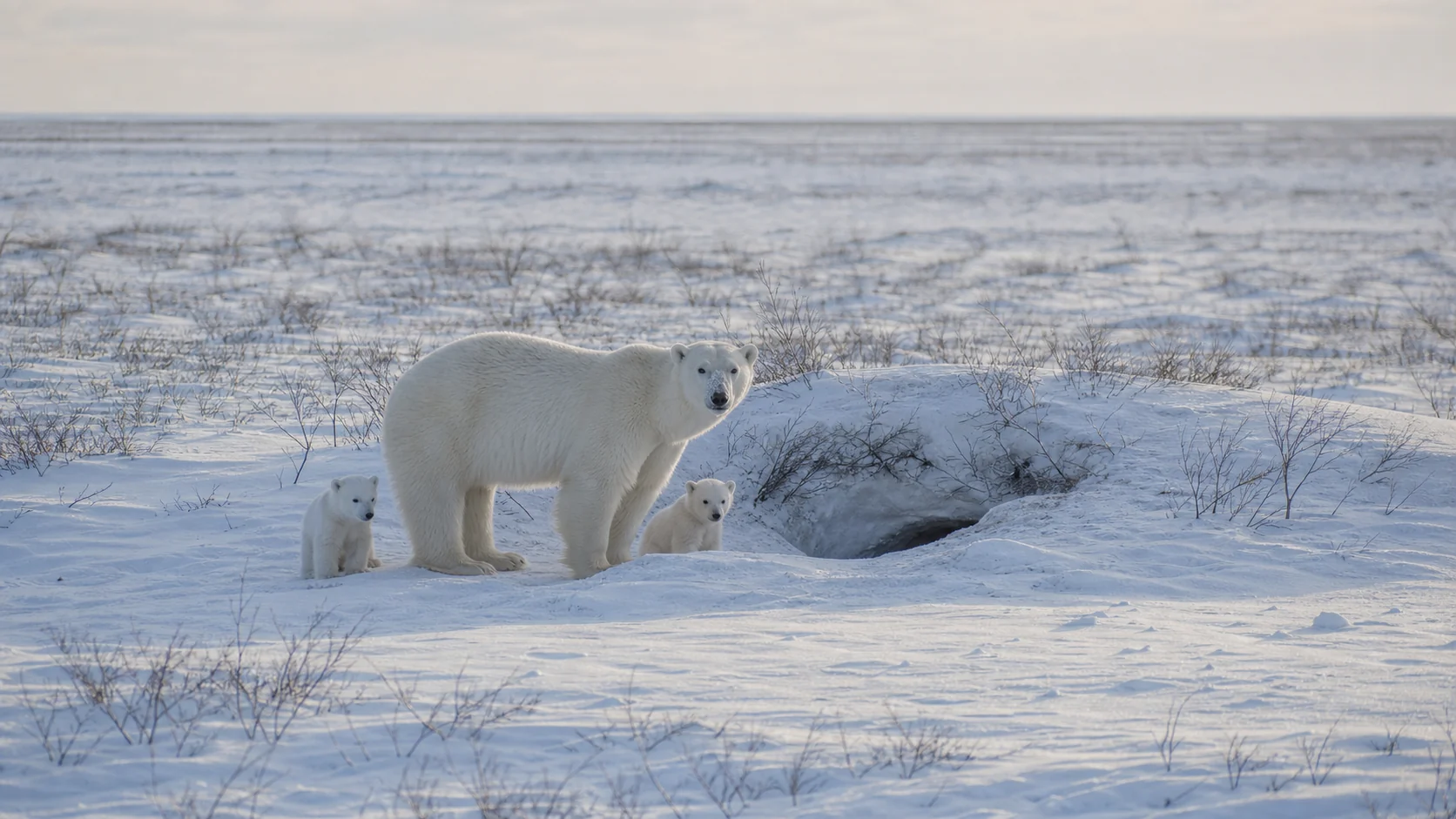
Den Emergence
The rarest polar bear field experience: maternity-den emergence in Wapusk, where access is limited, weather is severe, and every frame
The Great Wait
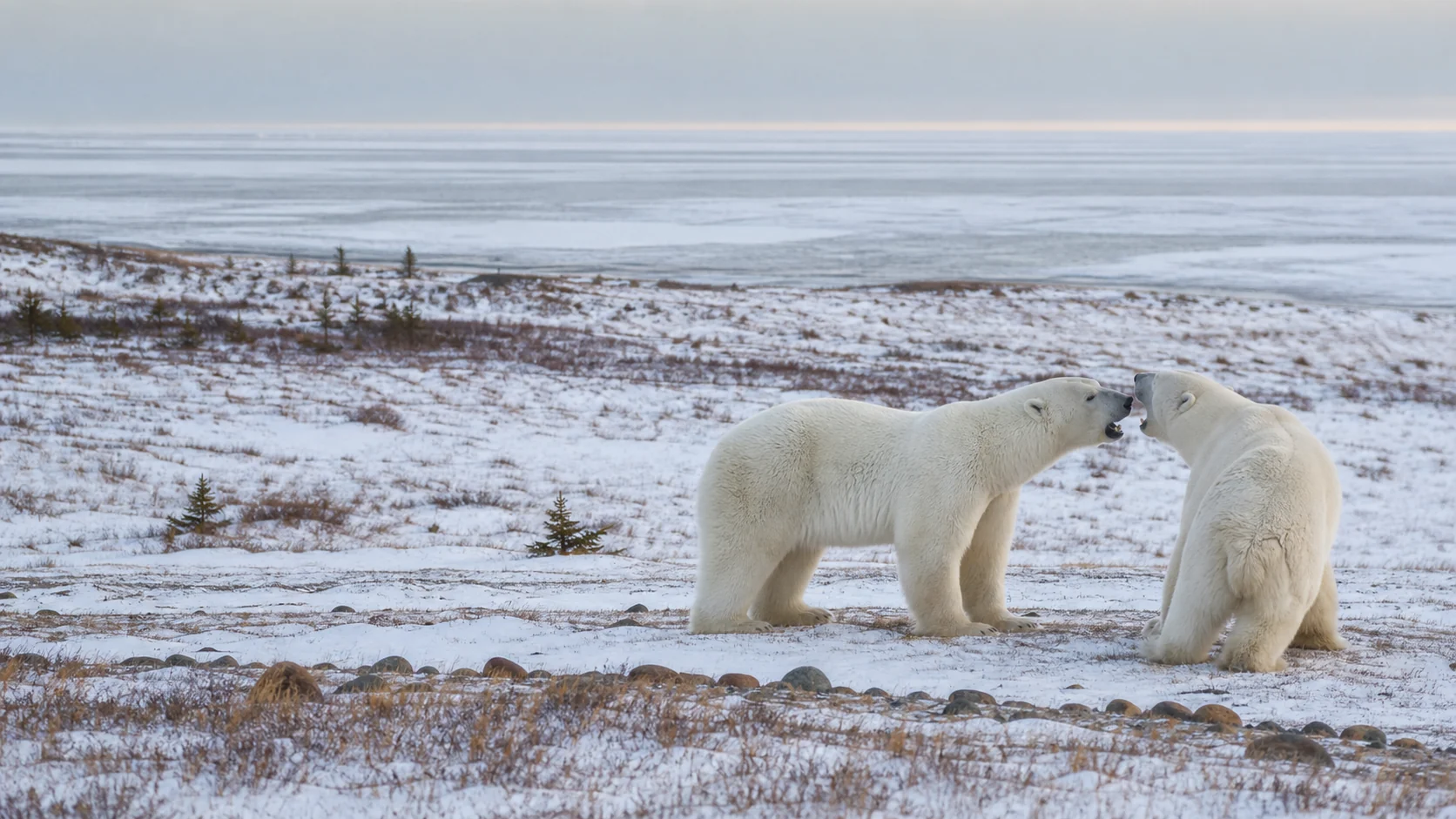
The most accessible polar bear expedition on Earth: Churchill in the freeze-up season, when bears gather along Hudson Bay and
Mother & Cubs
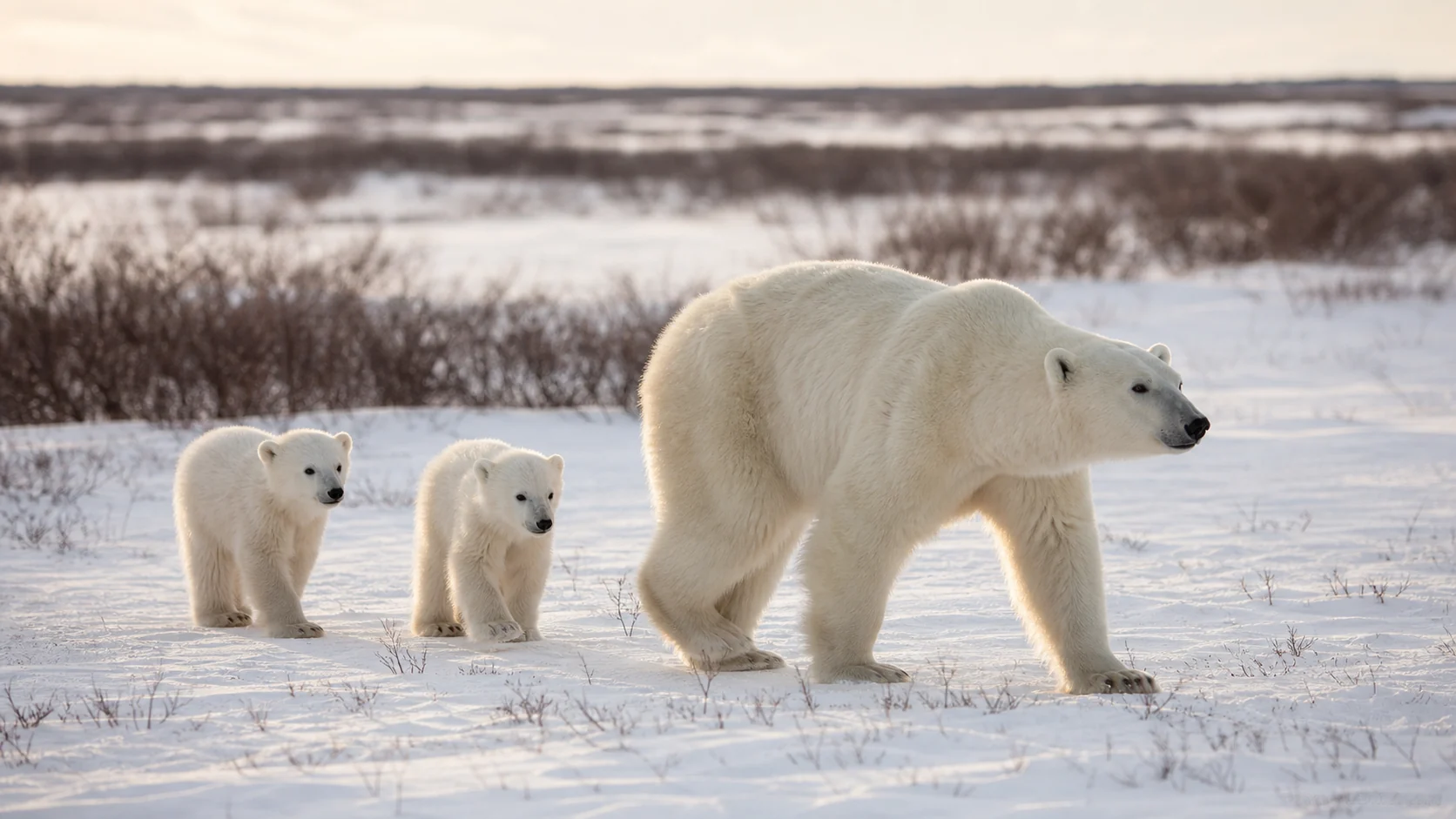
A focused late-winter expedition following polar bear family groups as mothers guide cubs from denning country toward the Hudson Bay