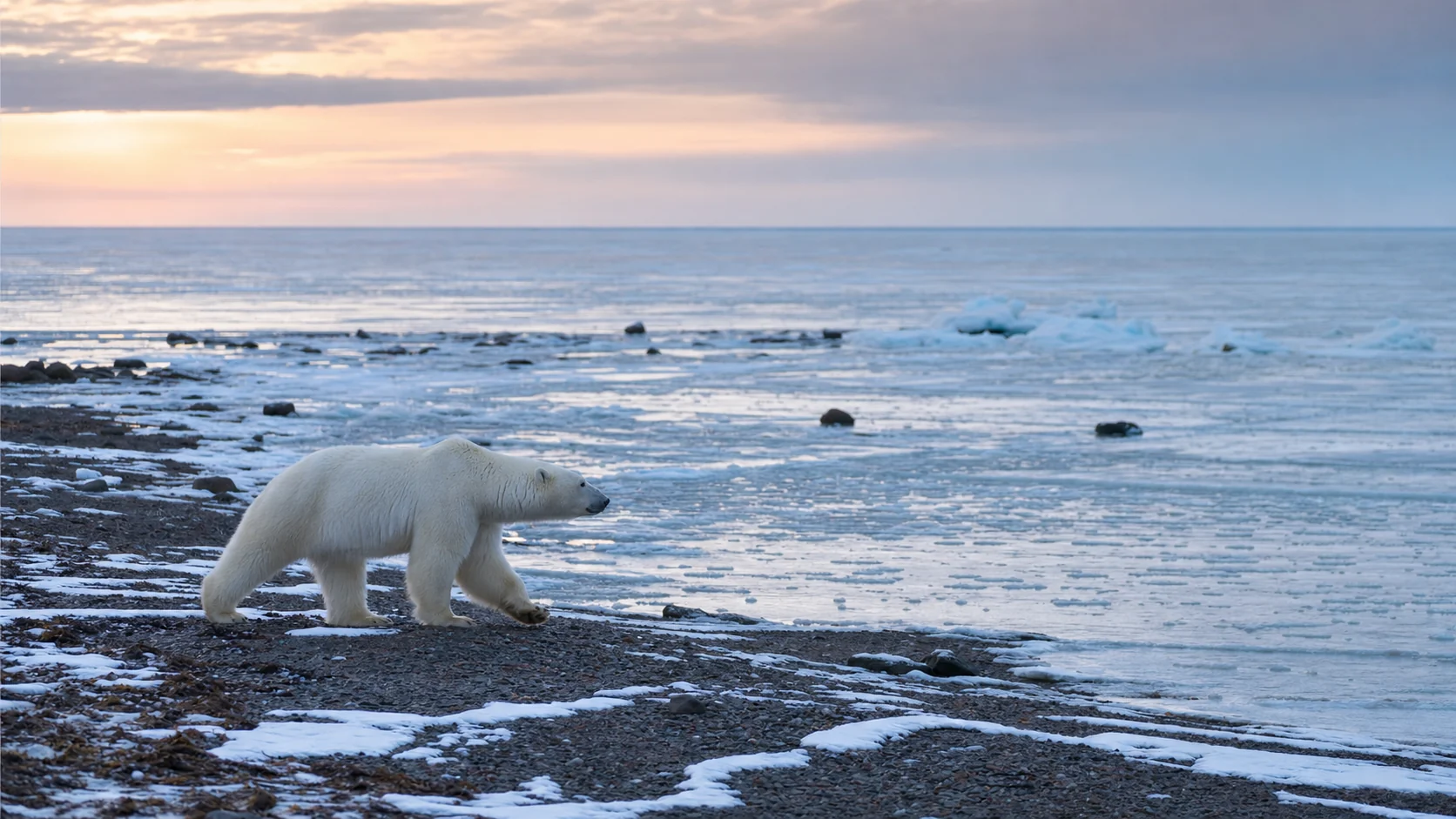
Churchill’s Last Open Water
Brief
Field observations from the Hudson Bay coast at Churchill, focused on the final days before the bay’s dark water gives way to travelable ice. The notes prioritize distance, weather, and the small decisions that shape an Arctic day.

Overview
Churchill’s Last Open Water records a field day in Churchill, Manitoba. The purpose was not to chase a single frame, but to pay attention to the final days before the bay’s dark water gives way to travelable ice. In the Arctic, the most useful information arrives quietly: a change in wind direction, the condition of a lead, or the moment a bear pauses before choosing its next line of travel.
Key Observations
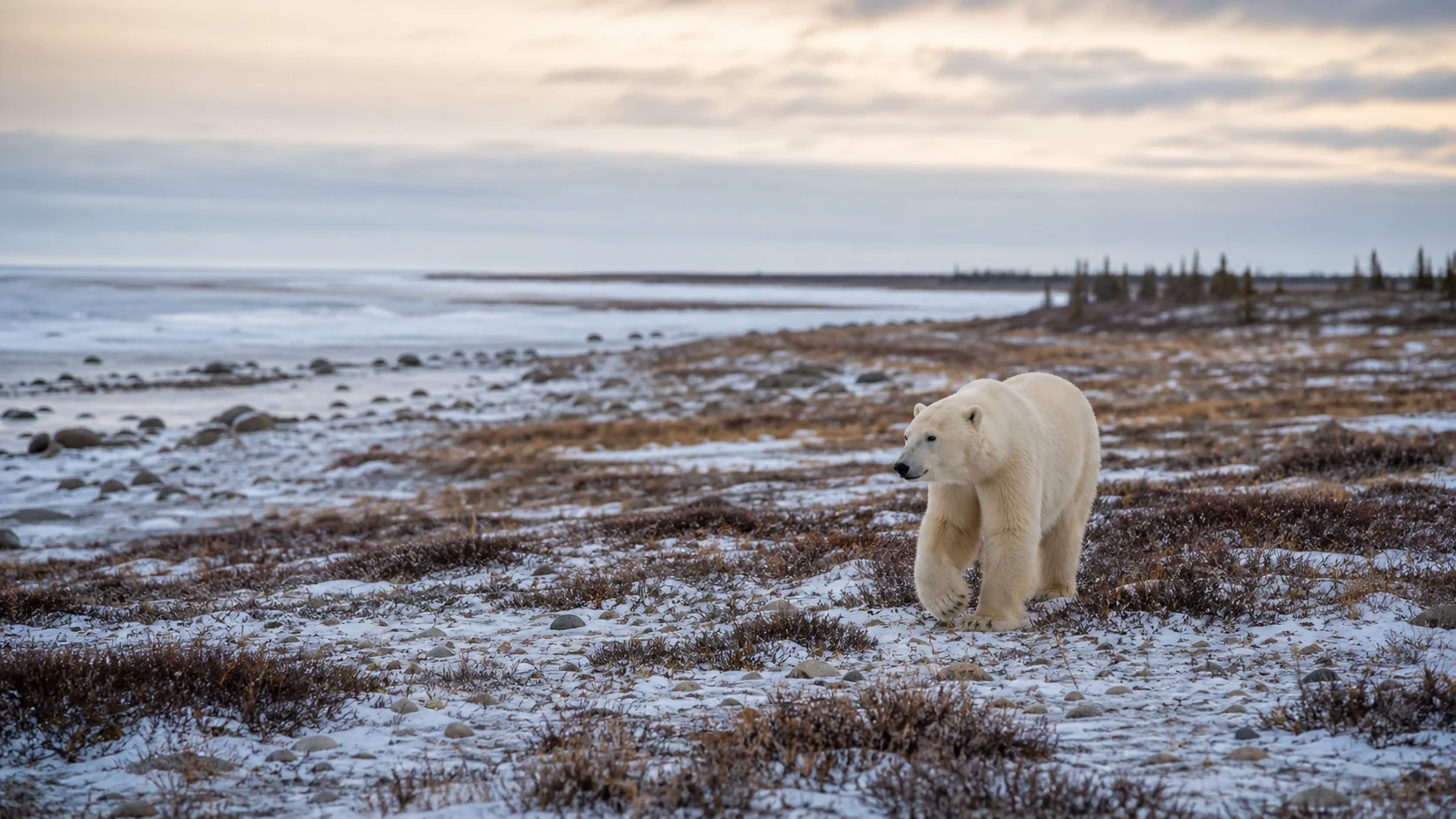
- Start with distance The clearest behavior came when the team allowed the Hudson Bay coast at Churchill to set the terms of the encounter.
- Watch the transitions Light, wind, and surface conditions changed faster than the obvious action. Those transitions carried the most useful clues.
- Leave room for the bear’s decision A photograph is stronger when it records an animal moving through its own landscape without pressure from the observer.
Visual Documentation
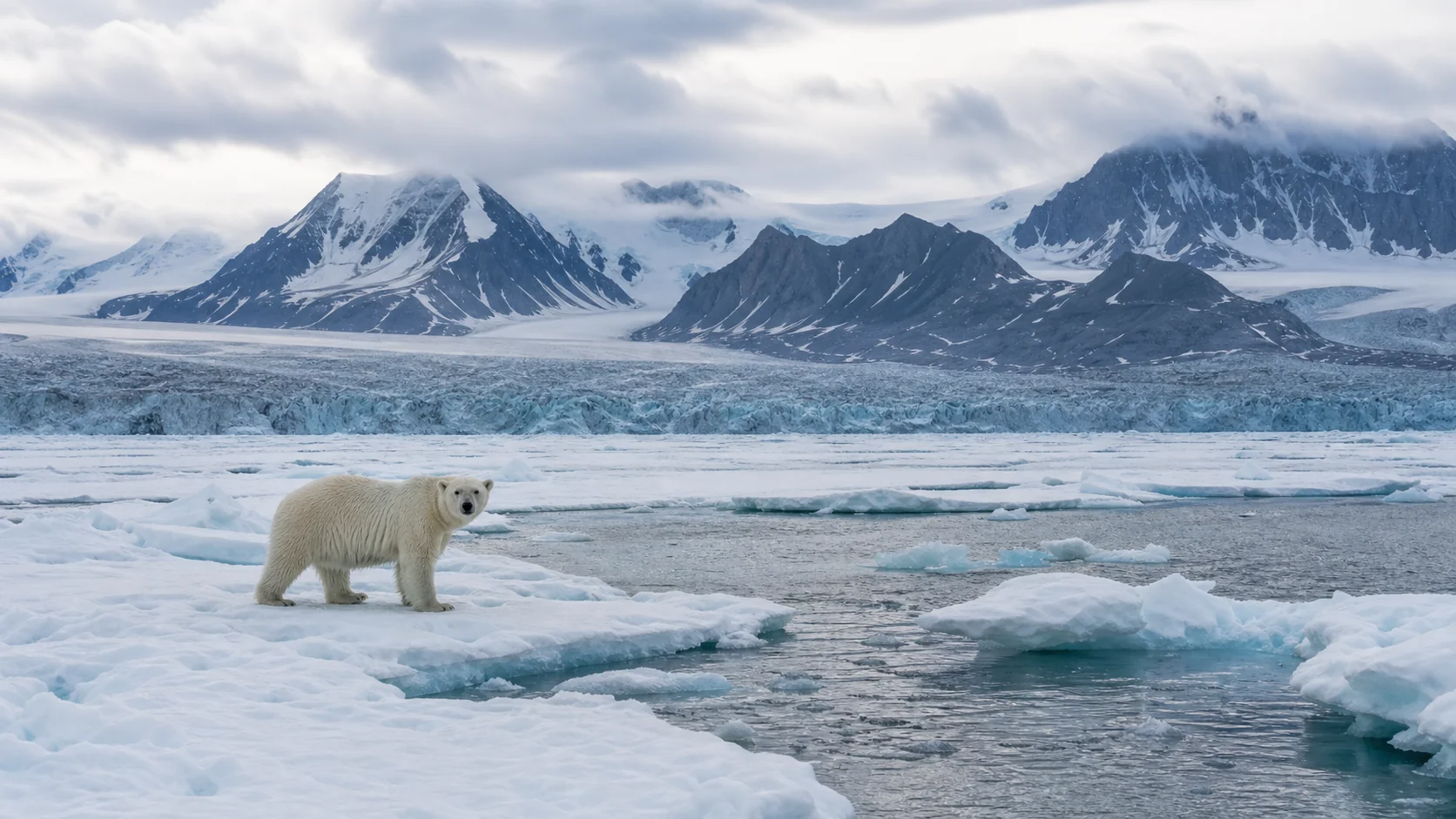
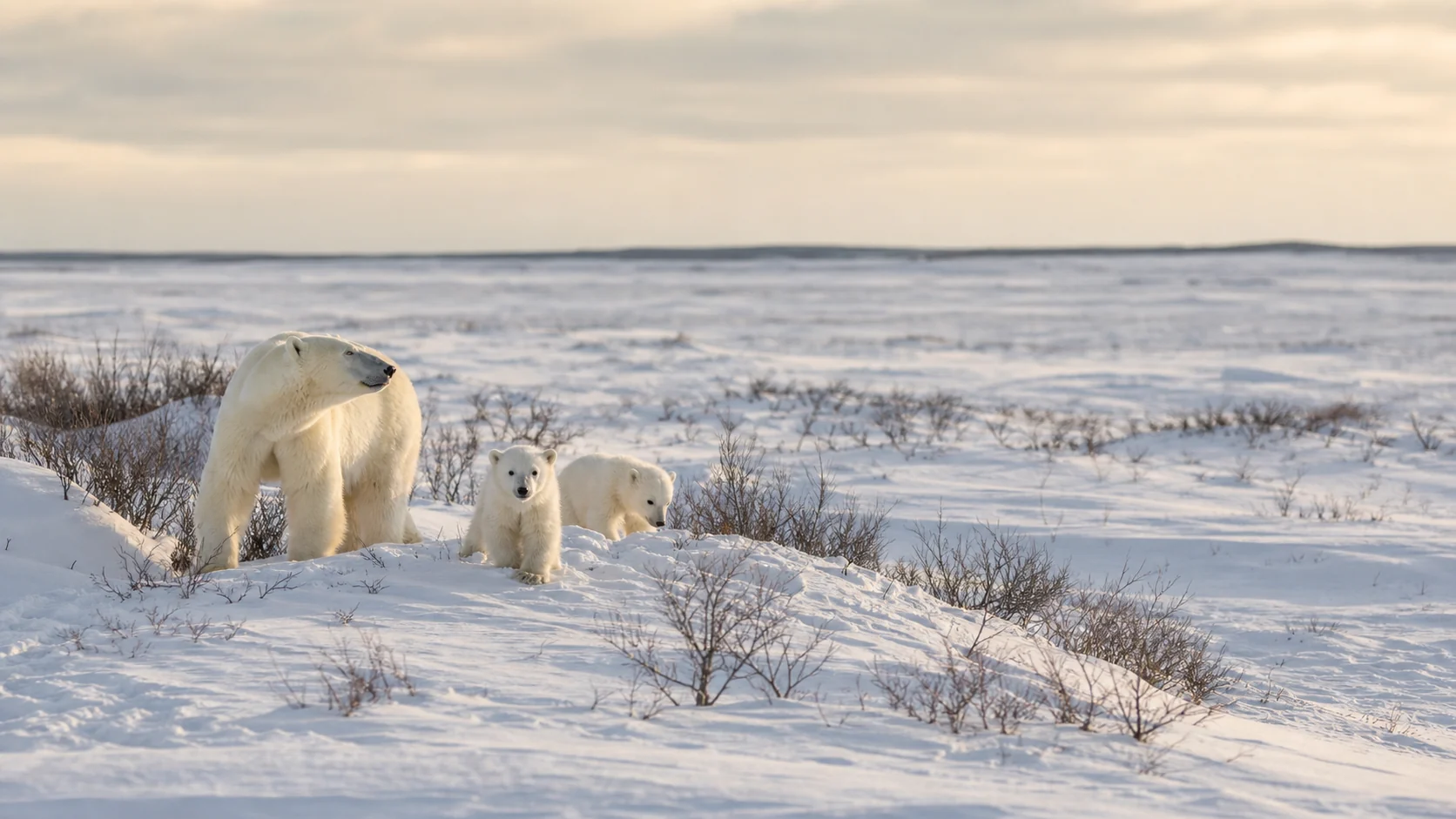
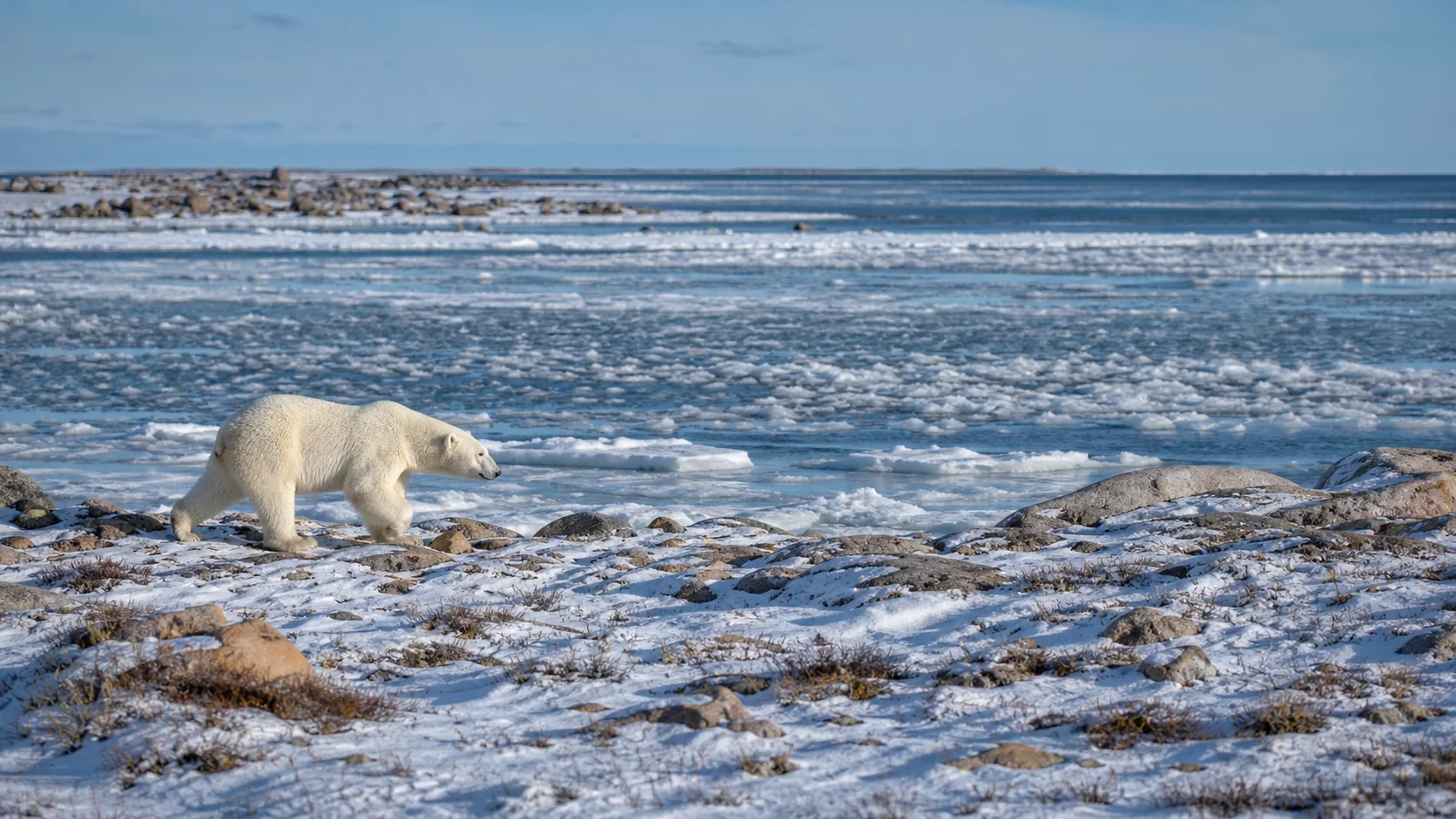
These frames are selected as a visual record of conditions, movement, and habitat. They are made from established working distance, with no baiting, calls, or approach used to influence behavior.
Photographer's Note
These notes from Churchill, Manitoba were made patiently and from established working distance. The camera stayed secondary to weather, safety, and the animal’s own choices; the most important part of the work was knowing when to wait.
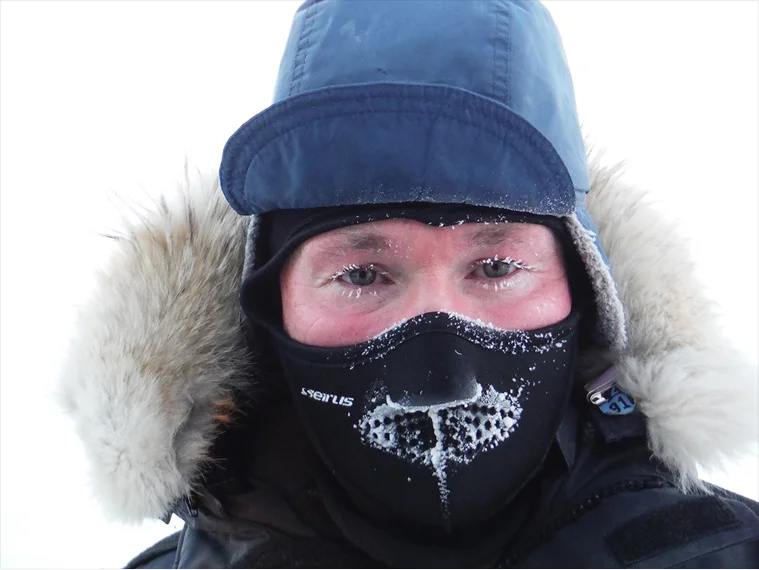
Gear Used
The kit is kept deliberately simple: dependable bodies, long lenses for working space, and cold-weather support that can be used with gloves. Every item earns its place by making the field method quieter and more reliable.
Nikon Z9 + 500mm f/5.6 PF
Primary long-lens setup for ethical working distance.
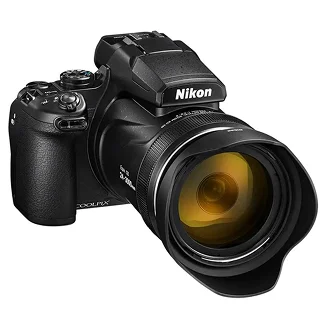
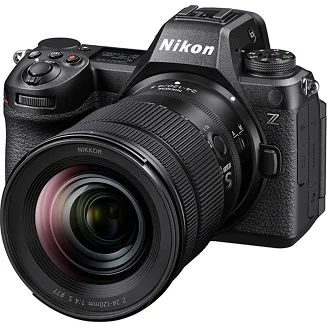
Nikon Z8 + 70-200mm f/2.8
Second body for habitat context and fast changes in distance.
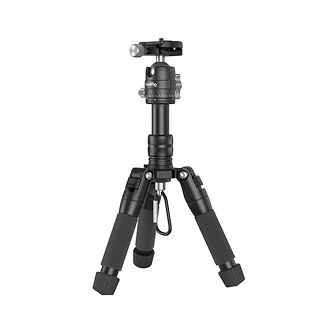
Gitzo Systematic tripod + Wimberley head
Stable support for long waits in wind and snow.
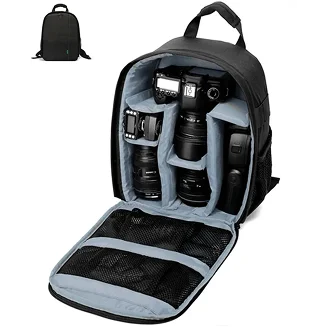
Lowepro ProTrekker BP 450 AW II
Weather-ready carry system for a full cold-weather field kit.
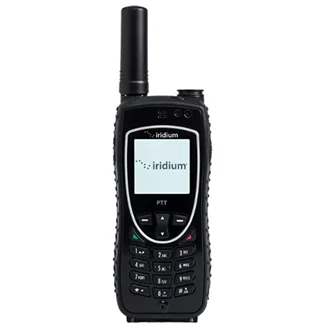
Iridium 9575 Extreme satellite phone
Required remote communications and safety backup.
Camera Settings Used
Representative settings for a polar bear field photograph made in cold, reflective Arctic conditions.
Keep Reading
Before Hudson Bay Freezes